Has Been or Have Been: The Perfect Guide
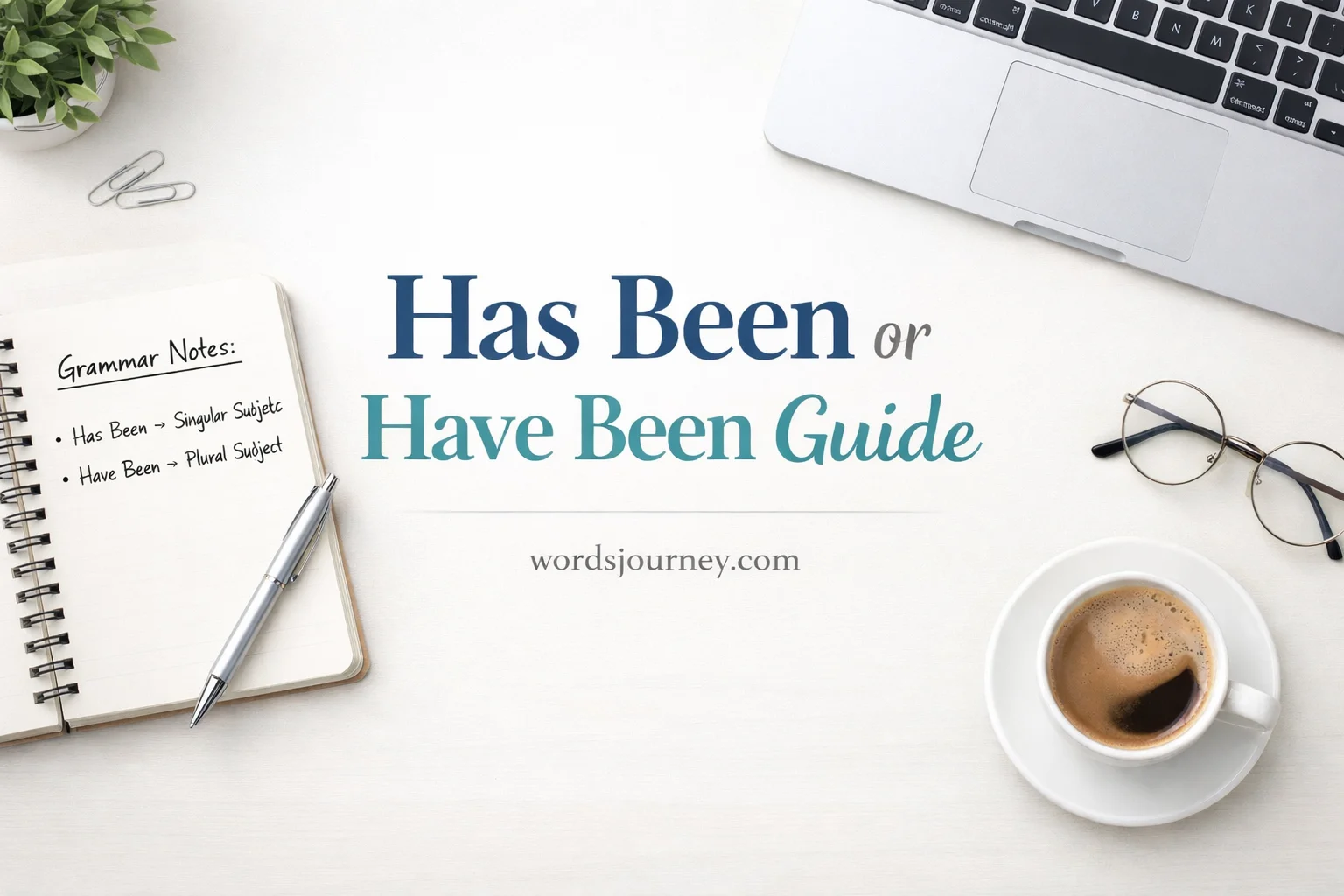
Master Has Been or Have Been with clear rules, examples, tables, and expert tips to eliminate grammar mistakes instantly.
Read more
Has or Have: The Complete Grammar Guide by Correctly
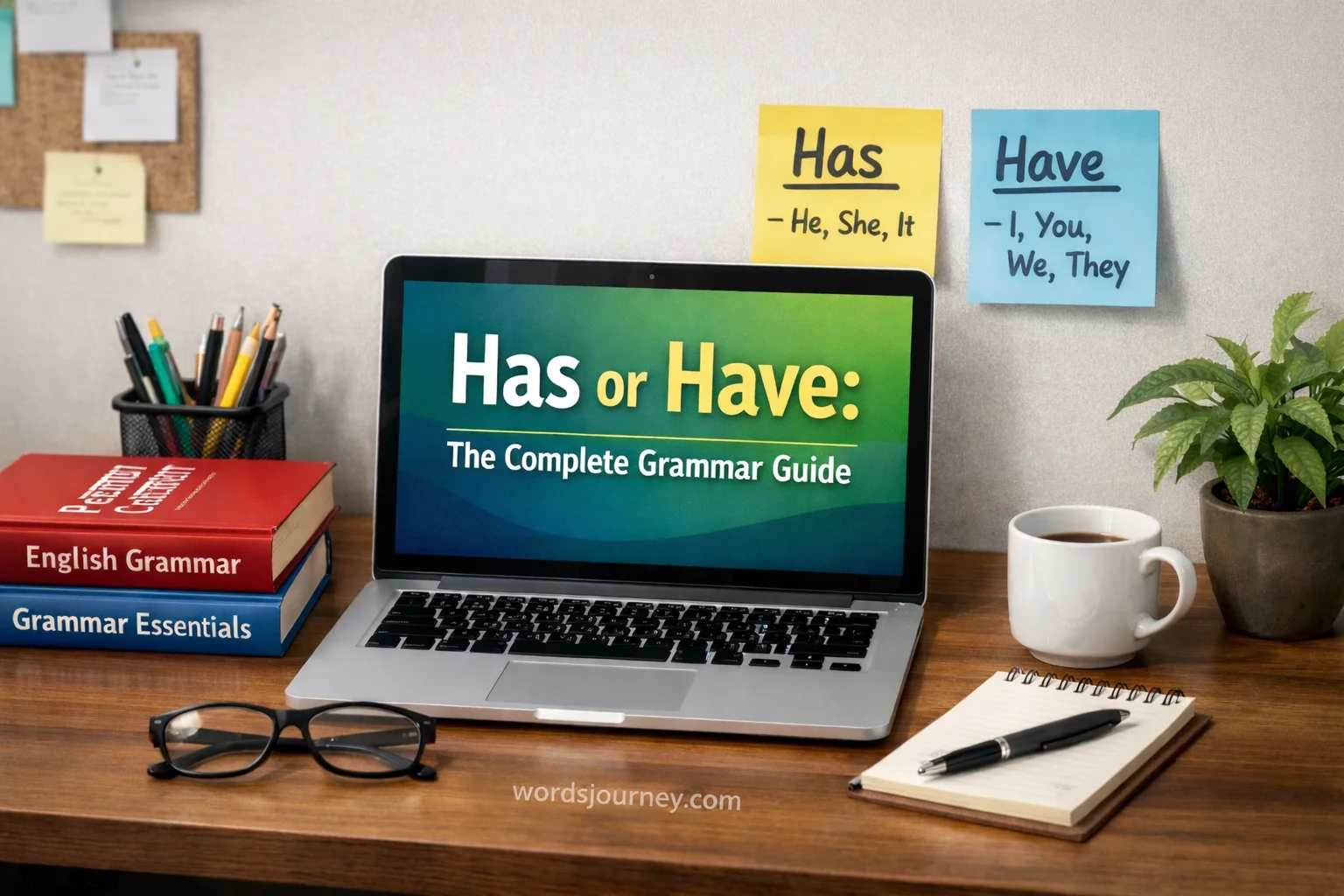
Master the difference between Has and Have with rules, examples, and tips to avoid common grammar mistakes in writing and speech.
Read more
Axe vs Ax: The Complete Guide You Didn’t Know You Needed
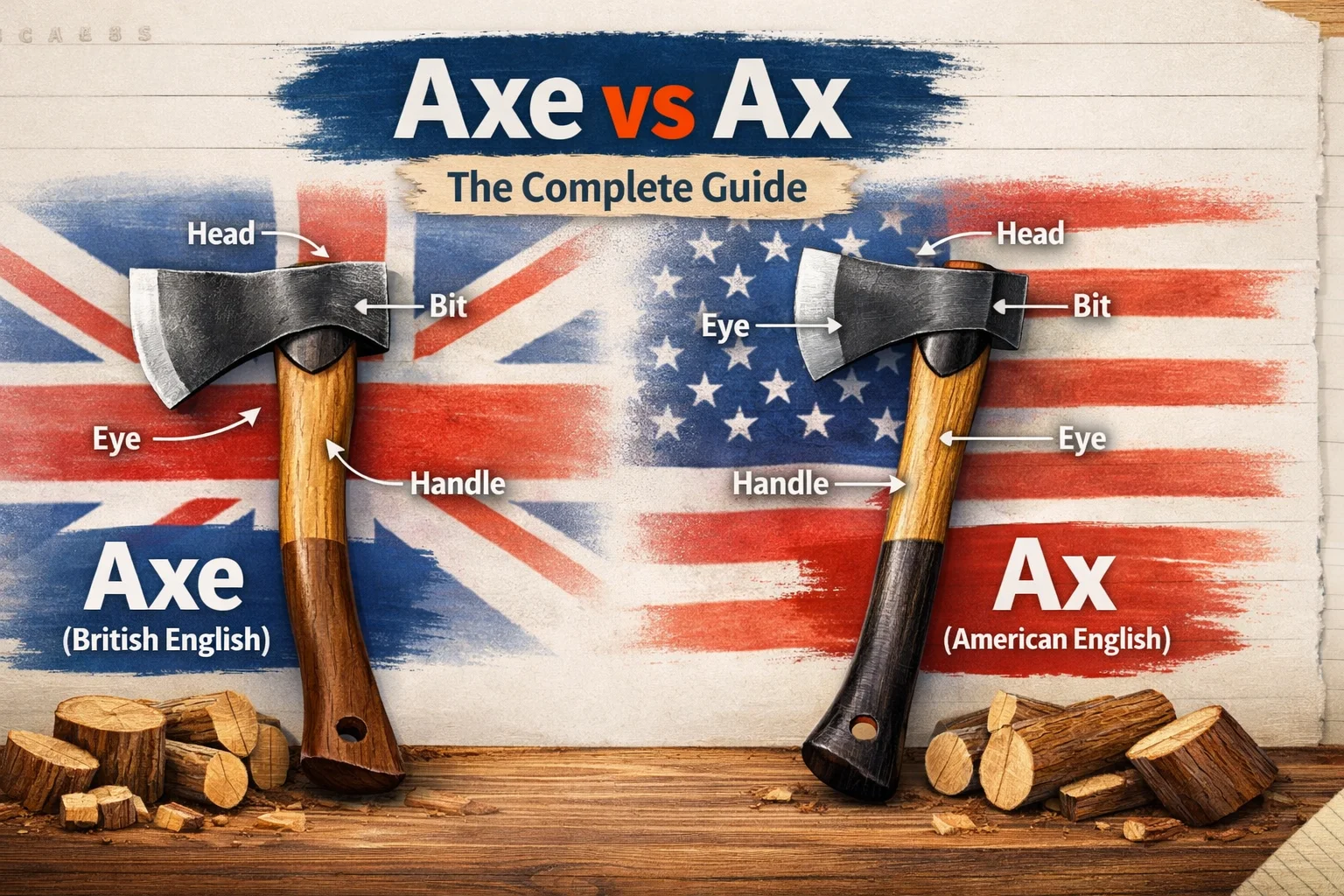
Axe vs Ax explained: discover the real differences in spelling, history, usage, and meaning. Master British vs American English in writing.
Read more
An or A: The Ultimate Guide to Using English Articles Correctly
Master An or A easily. Learn clear rules, examples, mistakes, and expert tips to use English articles correctly every time.
Read more
Hi or Hello: Mastering the Right Greeting for Any Situation

Learn the difference between Hi and Hello, when to use each, and how to choose the perfect greeting for any situation or conversation.
Read more
Colon vs Semicolon: Master the Difference by using Correctly
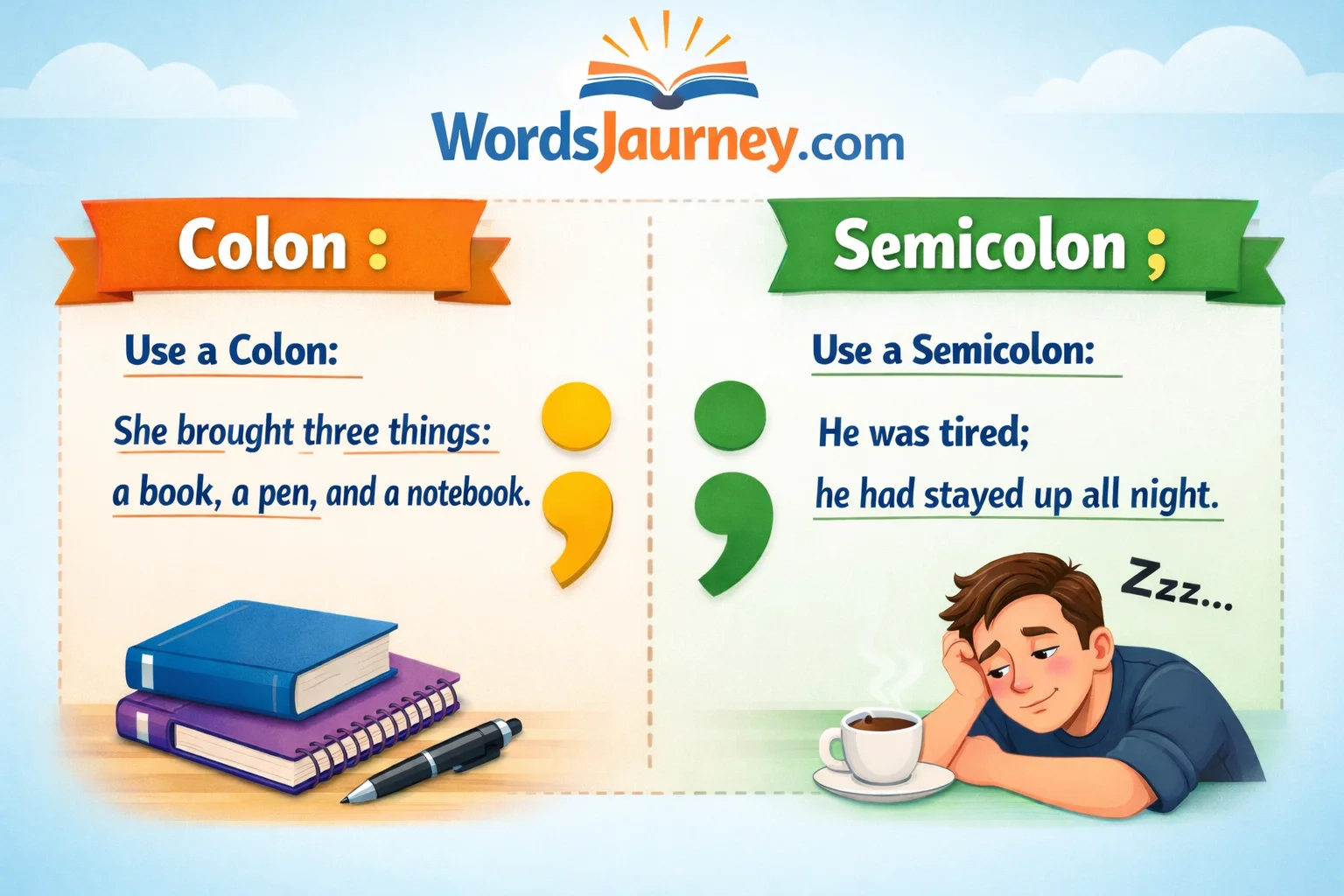
Master Colon vs Semicolon with clear rules, examples, and tips to use them correctly in writing for clarity and style.
Read more
Better Then or Than: Correct Grammar and Usage
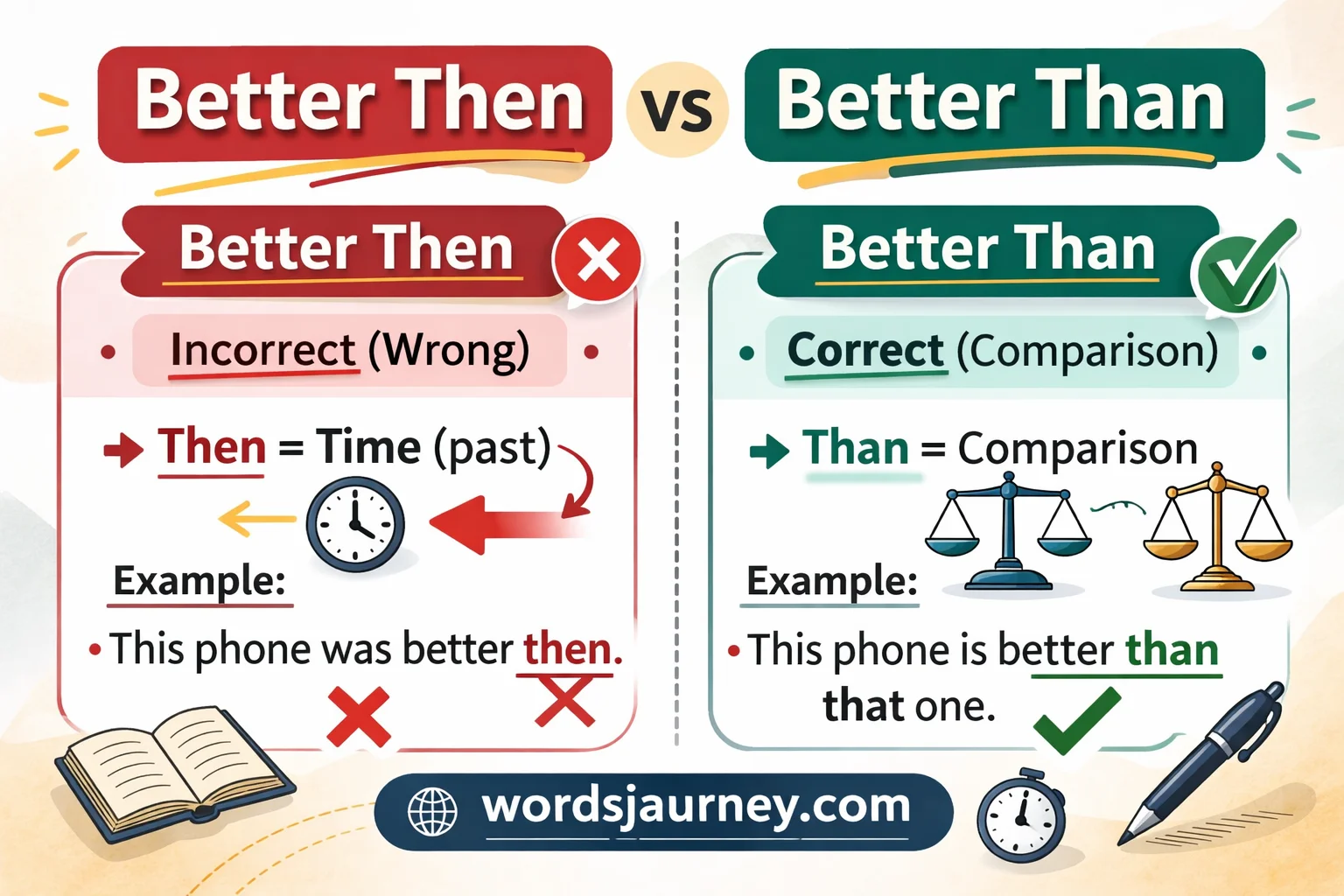
Have you ever paused mid-sentence, unsure whether to write “better then” or than”? This common English usage question can trip ...
Read more
Wellbeing or Well-Being: Which Spelling Is Correct?
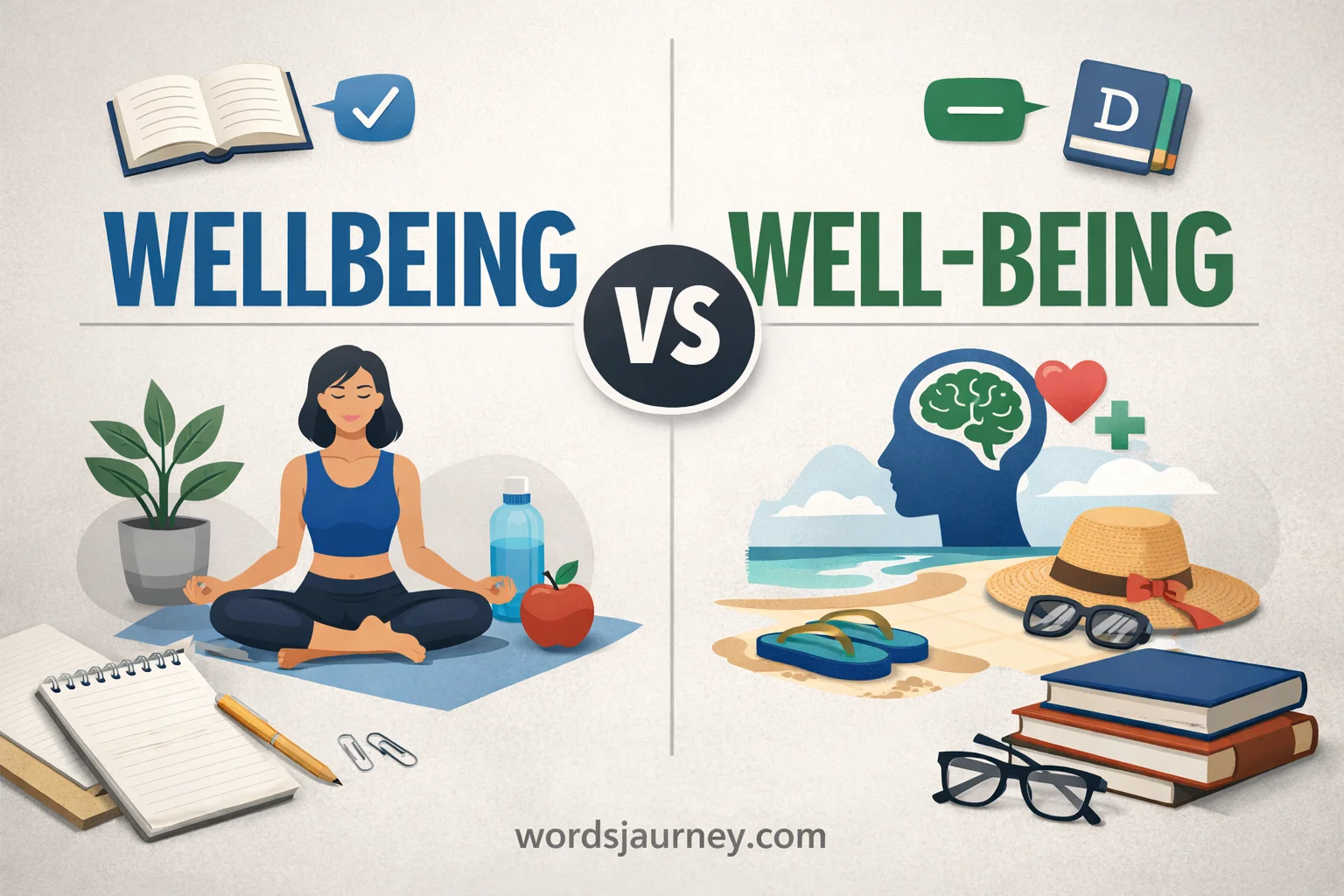
Wellbeing or Well-Being? Learn the correct spelling, usage, and tips for academic, global, and modern writing. Be consistent and precise.
Read more
Hone In or Home In: The Complete Grammar Guide
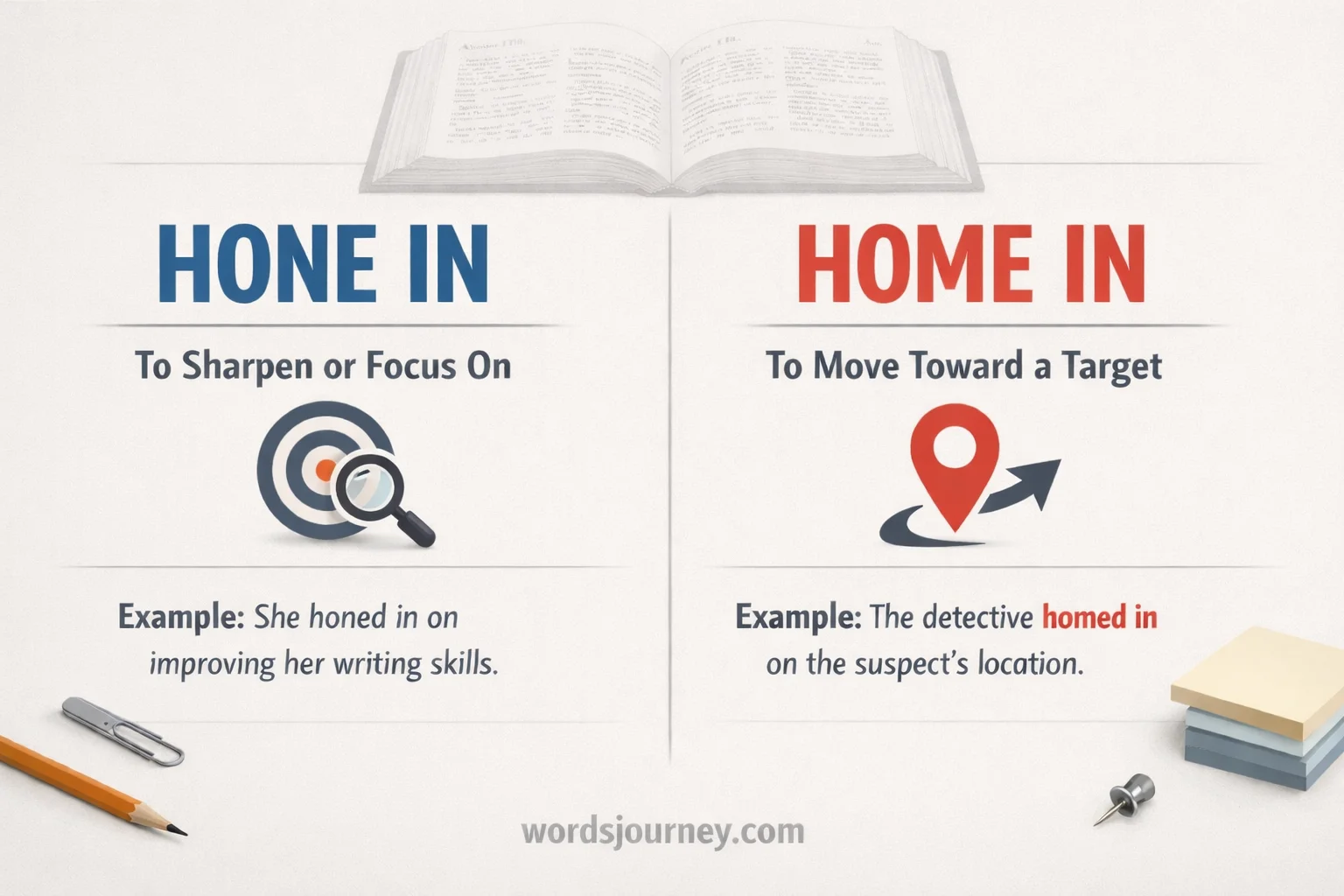
Hone In or Home In explained clearly. Learn the correct phrase, meanings, history, examples, and expert grammar tips for perfect writing.
Read more
To Many or Too Many: How to Use Them Correctly Every Time
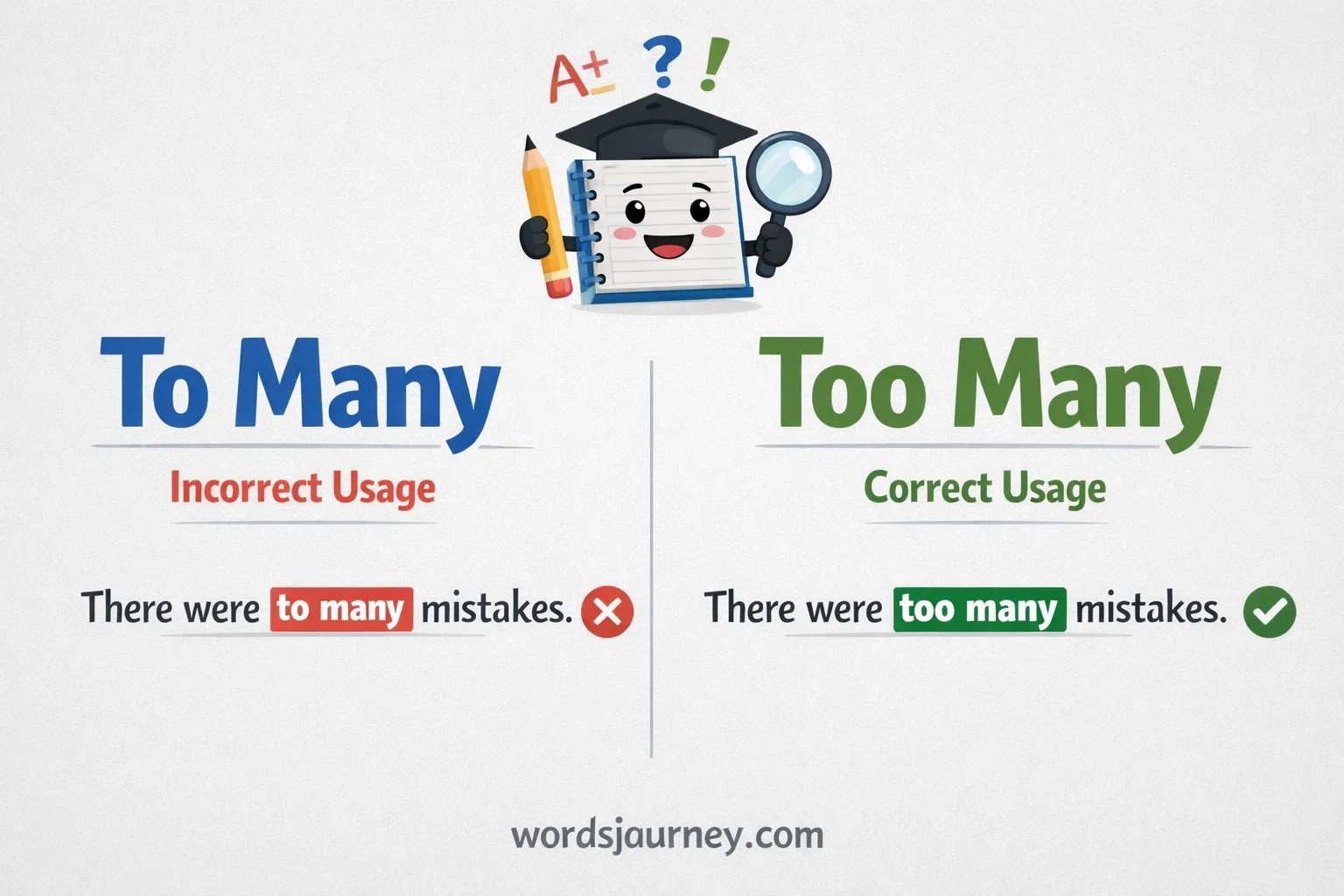
Learn the correct usage of “Too Many vs To Many” with clear rules, examples, exercises, and tips to avoid common mistakes.
Read more