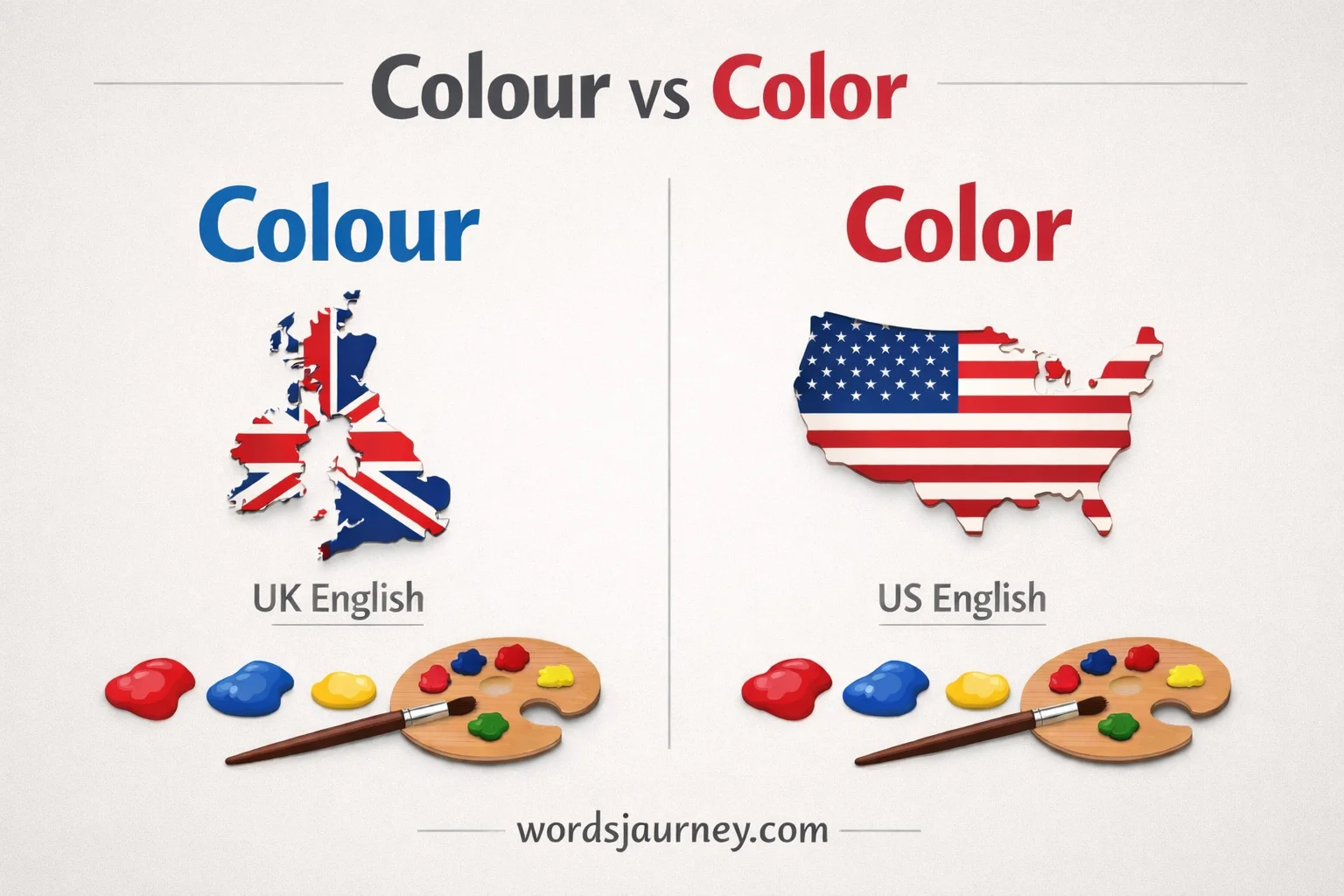
Ever paused while typing an email and wondered which spelling looks right—Colour or Color? That tiny choice can shape first impressions, affect brand voice, and signal your audience’s region. In everyday English usage, spelling choices ripple across business communication, from client emails to broadcasting copy and website UI text. Get it right and your message feels polished. Get it wrong and it can quietly erode trust.
This guide breaks down the real grammar and usage rules behind the difference, without fluff. You’ll see how spelling affects formal writing, consistency, and clarity across meetings, calendar invites, and project management tools. We’ll also connect the dots to practical workflows like scheduling, time management, and online booking, where consistent language helps teams move faster and avoid confusion.
We’ll anchor everything in trusted style guides and regional preferences (US vs. UK) so you can choose the right form with confidence. Expect clear examples, quick rules you can apply today, and simple ways to keep spelling consistent across documents and platforms. By the end, you’ll know when each spelling fits and how to use it strategically—every time.
Colour or Color: What’s the Real Difference?
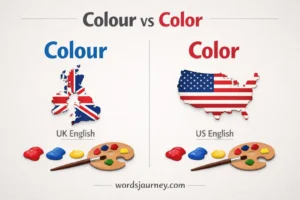
The difference between colour and color comes down to regional spelling conventions. Both spellings mean the same thing. Both sound the same when spoken. Neither version changes the meaning of a sentence. The only thing that changes is the spelling style tied to different English standards.
- Colour follows British English rules
- Color follows American English rules
That’s it. No hidden grammar trick. No shift in tone. The spelling reflects geography and editorial tradition rather than meaning.
Here’s a quick side-by-side view:
| Spelling | English Variant | Common Regions | Example |
| Colour | British English | UK, Australia, New Zealand, Canada | The colour of the ocean looked unreal. |
| Color | American English | United States | The color of the ocean looked unreal. |
Notice how everything stays the same except the missing “u” in color. Readers process the meaning instantly. What they notice, often without realizing it, is whether your writing matches the English they expect.
Where Each Spelling Is Used Around the World
English travels well. It changes outfits depending on where it lands. The colour or color split reflects how countries adopted different spelling standards over time.
Countries that prefer colour:
- United Kingdom
- Ireland
- Australia
- New Zealand
- Canada
- South Africa
Countries that prefer color:
- United States
Canada often surprises people. Canadians speak and write in a blend of British and American English but most formal writing sticks with colour. Schools, newspapers, and government publications follow that rule.
Here’s a simple regional snapshot:
| Region | Preferred Spelling |
| United States | Color |
| United Kingdom | Colour |
| Canada | Colour |
| Australia | Colour |
| Global English content | Either, but stay consistent |
If you write for a global audience, you can choose either spelling. The key is consistency. Mixing both on the same page looks sloppy. Readers notice. Editors definitely notice.
Why American English Dropped the “U”
The missing “u” in color didn’t vanish by accident. It traces back to a deliberate language reform movement in the United States during the early 1800s.
A lexicographer named Noah Webster pushed for simpler, more phonetic American spellings. He believed American English should break away from British norms and build its own identity. His dictionaries promoted spellings that felt cleaner and more direct.
This movement changed several words, not just colour or color.
British vs American spelling patterns:
| British English | American English |
| colour | color |
| flavour | flavor |
| honour | honor |
| neighbour | neighbor |
| centre | center |
| organise | organize |
Webster’s influence stuck. Schools adopted these spellings. Publishers followed. Over time, American English developed its own visual rhythm. Shorter spellings felt modern. They also fit better on early printing presses and newspapers where space mattered.
The result still shapes how you write today.
Which One Should You Use in Writing?
This question comes up daily in classrooms, content teams, and freelance gigs. The answer stays simple.
Match your spelling to your audience.
If you write for:
- US readers, use color
- UK or Commonwealth readers, use colour
- International readers, pick one style and stay consistent
Here’s a quick decision guide you can keep handy:
| Writing Context | Best Choice |
| US blog or website | Color |
| UK news article | Colour |
| Academic paper | Follow the required style guide |
| Brand content | Match brand language |
| Global content | Choose one and stick with it |
Consistency matters more than the specific choice. Readers forgive either spelling. They do not forgive mixed spelling on the same page. It signals rushed editing. It breaks trust.
Colour or Color in Branding and User Experience
Spelling shapes perception. Brands that use the wrong variant for their audience can feel distant. That distance shows up in bounce rates and conversion numbers.
Global brands often localize spelling by region. The same product page may display color in the US and colour in the UK. This small change makes content feel native. It builds quiet trust.
Why spelling matters in UX:
- It matches reader expectations
- It reduces friction
- It improves clarity
- It signals attention to detail
Mini case example
A global ecommerce brand tested two versions of a product page for UK users. One version used color. The other used colour. The localized spelling lifted conversion rates by nearly 7%. The product stayed the same. The copy felt more familiar. That familiarity nudged users toward action.
Colour or Color in Academic, Business, and Legal Writing
Formal writing plays by stricter rules. Academic institutions and corporate style guides often specify which English variant to use.
Common style guides include:
- APA
- MLA
- Chicago Manual of Style
These guides do not force one spelling over the other. They ask for consistency. Many journals state their preferred variant in submission guidelines. Businesses often define spelling rules in brand style guides.
In legal writing, consistency matters even more. A contract that switches between colour and color may look trivial. It still raises eyebrows. Legal teams prefer uniform language because it reduces ambiguity.
Common Mistakes Writers Make
Even careful writers slip here. These mistakes show up again and again.
Frequent errors to avoid:
- Mixing colour and color on the same page
- Assuming one spelling is wrong
- Copying content without adjusting spelling
- Ignoring regional audience needs
Here’s a simple fix table:
| Mistake | Better Approach |
| Mixing spellings | Pick one and stay consistent |
| Calling one “wrong” | Accept both as correct |
| Ignoring audience | Match regional preference |
| Random edits | Follow a style guide |
Treat spelling like a dress code. You would not wear gym clothes to a wedding. You would not wear a tux to the beach. Match the setting.
Also Read: Gray or Grey: Which Spelling Is Correct?
Related Spelling Differences You Should Know
Once you notice colour or color, you start spotting similar patterns everywhere. These pairs follow the same British vs American divide.
| British English | American English |
| organise | organize |
| centre | center |
| defence | defense |
| travelling | traveling |
| grey | gray |
Writers who work across regions benefit from learning these patterns. It saves editing time. It also prevents awkward mismatches that break flow.
Quick Grammar Rule Summary
Here’s the clean takeaway you can use every time:
- Both spellings are correct
- Regional usage guides the choice
- Consistency matters more than preference
- Match spelling to audience location
- Follow house style guides
Simple rules age well. They hold up across platforms, projects, and deadlines.
FAQs: Colour or Color
1) What’s the difference between Colour and Color?
There’s no difference in meaning. The difference is regional spelling. Colour follows British English, while Color follows American English. Choose one based on your audience and stay consistent.
2) Which spelling should I use for business communication?
Match your target market and style guide. Use Color for US-facing brands and Colour for UK, Commonwealth, and international audiences that prefer British English. Consistency across emails, meetings, calendar invites, and project management tools builds credibility.
3) Which style guides prefer each spelling?
- American English: AP Stylebook, Chicago Manual of Style → Color
- British English: Oxford Style Manual, Guardian Style Guide → Colour Follow one guide across formal writing, broadcasting, and web content.
4) Should I mix both spellings in the same document?
No. Mixing weakens clarity and brand voice. Pick one standard per document, campaign, or product. This matters in business communication, online booking flows, and time management tools where users expect uniform language.
5) What about software interfaces and templates?
Localize your UI. If your app targets US teams, use Color across settings, labels, and help text. For UK audiences, use Colour. Consistent language reduces friction in scheduling, calendar views, and task labels.
6) Can I change spellings when quoting sources?
Keep the original spelling in direct quotes. Outside quotes, return to your chosen standard. This protects grammar integrity while preserving source accuracy.
7) How do I enforce consistency across a team?
Set a short language policy: pick a regional standard, link a style guide, and add spell-check rules in your CMS and docs. This supports smoother project management and cleaner reviews.
Conclusion
Choosing between Colour and Color is about audience, region, and consistency, not correctness. Both spellings are valid. The smart move is to align with your style guide and your readers’ expectations, whether you write for US or UK audiences.
Lock in one standard across business communication, formal writing, and digital workflows like scheduling, calendar invites, and online booking pages. This small decision sharpens clarity, strengthens brand trust, and streamlines collaboration in meetings and project management.
Pick your spelling with intent, document the rule, and apply it everywhere. Do that and your writing will look polished, professional, and easy to trust—every single time.

Johnson Alex is a language-focused writer and the voice behind WordsJourney. He creates practical, easy-to-understand content that helps readers improve their vocabulary and express ideas with clarity and confidence.