Have you ever paused before hitting send on an email, wondering whether to write “Goodmorning” or “Good Morning”? It seems minor, yet this tiny choice shows up everywhere. From early meetings and packed calendars to quick notes in business communication, the way you open a message sets the tone.
In a world driven by time management, scheduling, and constant digital interaction, even small language details matter.
This article breaks down the real difference between Goodmorning and Good Morning through the lens of modern English usage and grammar. You’ll see how this greeting fits into formal writing, professional emails, project management tools, online booking platforms, and even broadcasting scripts. Along the way, practical examples will show how consistency improves clarity, especially when communication moves fast and expectations stay high.
The Short Answer, Plain and Simple
If you remember only one thing, remember this:
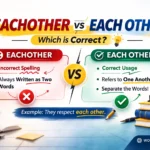
“Good morning” is always written as two words in standard English.
“Goodmorning” is not considered a correct standalone word.
That rule applies everywhere:
- Emails
- Text messages
- Professional writing
- Blog posts
- Academic work
There are no exceptions hiding in the shadows. The two-word form is the correct one.
Why “Good Morning” Is Two Words
English greetings follow predictable grammatical patterns. “Good morning” fits one of the most common ones.
Here’s what’s happening under the hood:
- “Good” functions as an adjective
- “Morning” functions as a noun
Together, they form a simple adjective + noun phrase.
You see this structure all over English:
- good weather
- good idea
- good timing
- good evening
The adjective describes the noun. That’s it. No fusion required.
When you write good morning, you’re literally saying, “I wish your morning to be good.” It’s descriptive, not compound.
Why People Assume “Goodmorning” Might Be Correct
The confusion doesn’t come out of nowhere. A few factors muddy the waters.
Visual Habit
English has plenty of greetings that look similar but behave differently:
- goodbye
- goodnight
After seeing those, people assume “goodmorning” must follow the same rule. It doesn’t.
Speed and Informality
Fast typing encourages shortcuts. When writing quickly, especially on phones, spaces disappear. Over time, mistakes start to feel normal.
Digital Reinforcement
Social media captions and casual messages don’t get edited. Errors spread quietly. Frequency creates false confidence.
Popular usage, however, does not override grammatical standards.
Is “Goodmorning” Ever Correct?
This question deserves a direct answer.
No. “Goodmorning” is not correct in standard English.
It does not appear as an accepted standalone word in major dictionaries such as:
- Merriam-Webster
- Cambridge Dictionary
- Oxford English Dictionary
That holds true as of current editions.
What About Creative Writing?
Writers sometimes bend rules intentionally. A novelist might compress words to show dialect, speed, or personality.
That doesn’t make the spelling correct. It makes it stylistic.
If clarity, professionalism, or accuracy matters, stick with good morning.
Why “Goodnight” Is One Word but “Good Morning” Isn’t
This is where many people get tripped up.
Let’s compare.
| Phrase | Correct Form | Why |
| Good morning | Two words | Adjective + noun phrase |
| Good afternoon | Two words | Same structure |
| Good evening | Two words | Same structure |
| Good night | Two words (as a phrase) | Descriptive |
| Goodnight | One word (as a farewell) | Lexicalized over time |
“Goodnight” evolved into a single word because English speakers began using it almost exclusively as a fixed farewell, not as a literal description of the night.
“Good morning” never made that leap. It stayed descriptive. Language history matters.
Common Places People Get This Wrong
This mistake shows up more often than you might expect.
Emails
Especially in subject lines:
- Incorrect: Goodmorning Team
- Correct: Good Morning, Team
Text Messages
Autocorrect doesn’t always help. Informality lowers the guard.
Social Media
Captions often prioritize speed over correctness.
Blogs and Websites
Even published content gets this wrong, which quietly damages credibility.
Marketing Copy
Small errors reduce trust. Readers may not point them out, but they notice.
Capitalization Rules for “Good Morning”
Spacing isn’t the only thing people struggle with. Capitalization causes trouble too.
Capitalize “Good Morning” When:
- It starts a sentence
- It appears in an email greeting
- It’s used as a headline or title
Examples:
- Good Morning! I hope you slept well.
- Good Morning, Sarah—thanks for reaching out.
Use Lowercase When:
- It appears mid-sentence
Example:
- She smiled and said good morning before leaving.
Consistency matters. Sloppy capitalization feels careless, even when the words are correct.
Does Informal Writing Change the Rule?
Not really.
Tone can change. Grammar doesn’t vanish.
Texting, chatting, and posting online may lower formality, but the structure of English stays intact. Writing goodmorning doesn’t become correct just because the platform is casual.
Think of it like wearing sneakers to work. Fine in some offices. Still not formal shoes.
Correct vs Incorrect Usage Examples
Seeing examples makes the rule stick.
Correct Examples
- Good morning, everyone.
- I wanted to say good morning before the meeting.
- Good Morning! Hope today treats you well.
Incorrect Examples
- Goodmorning everyone
- Just wanted to say goodmorning
- Goodmorning! How are you?
If you remove the space, you remove correctness.
Why This Small Detail Matters
It’s tempting to shrug this off as nitpicky. It isn’t.
First Impressions
Writing often speaks before you do. Errors suggest haste or carelessness.
Professional Credibility
Clean language builds trust. Small mistakes weaken it.
SEO and Publishing
Search engines don’t punish spelling mistakes directly, but readers bounce faster from sloppy content. That matters.
Habit Formation
Once you internalize this rule, similar ones become easier.
Language works like a muscle. Precision strengthens it.
How Dictionaries and Style Guides Treat “Good Morning”
Modern style guides agree on this point.
- AP Stylebook uses “good morning” as two words
- Chicago Manual of Style treats it as a standard phrase
- Major dictionaries list it only as a phrase, not a compound word
This isn’t a gray area. It’s settled English.
Read More: Shiny vs Shiney: The Correct Spelling?
A Quick Linguistic Insight
Linguists call this process lexicalization. It’s when frequently used phrases fuse into single words over time.
Examples:
- good bye → goodbye
- on line → online
“Good morning” hasn’t crossed that threshold. Usage patterns don’t support it.
Language evolves, but evolution leaves footprints. This one hasn’t moved yet.
A Simple Rule You Can Reuse
Here’s a practical takeaway you can apply elsewhere:
If “good” directly describes a thing or time, keep it separate.
- good food
- good weather
- good afternoon
- good morning
When a phrase becomes a fixed farewell over centuries, it might combine. Until then, don’t force it.
Frequently Asked Questions
1. Is “Goodmorning” one word ever grammatically correct?
No. Goodmorning is not considered correct in standard English. Dictionaries and established style guides consistently recognize Good Morning as the proper form.
2. Why do people commonly write “Goodmorning”?
The mistake often comes from speed and habit. In daily business communication, quick chats, and early meetings, people type fast and drop the space. Repetition makes the error feel acceptable, even though it isn’t.
3. Does informal writing make “Goodmorning” acceptable?
No. Informal tone doesn’t change grammar rules. Whether you’re texting, emailing, or managing tasks through project management and scheduling tools, Good Morning remains the correct choice.
4. How should “Good Morning” be capitalized?
Capitalize Good Morning at the start of a sentence or in email greetings. Use lowercase when it appears mid-sentence. This consistency improves clarity in professional and casual writing.
5. Is there any difference between US and UK English usage?
No. Both US and UK style guides agree. Good Morning is always written as two words in standard English, regardless of region.
6. Why does this small detail matter in professional writing?
Language affects perception. In settings like online booking, calendar invites, or broadcasting, small errors can reduce trust and distract from your message.
Conclusion
The difference between Goodmorning and Good Morning may look minor, but it matters more than most people realize. Good Morning is the correct, accepted form across all standard English contexts. Goodmorning, despite its frequent appearance online, remains incorrect.
Clear, consistent language strengthens credibility. In a world driven by time management, meetings, and precise communication, even small details shape how your message is received. Use Good Morning with confidence, and your writing will always start on the right note.