Have you ever struggled to understand who holds responsibility in a lease agreement? The distinction between Lessor vs Lessee often confuses students, professionals, and even seasoned business managers.
Whether you’re scheduling property viewings, managing office rentals, or coordinating equipment leases, knowing who is the lessor and who is the lessee is essential for smooth time management, clear business communication, and avoiding legal misunderstandings.
In practical terms, the lessor is the party granting rights to use an asset, while the lessee is the one receiving those rights. This simple distinction affects everything from online booking systems to broadcasting schedules, and even calendar planning for project-based work.
Misusing these terms in formal writing or contracts can lead to inconsistencies, so understanding correct English usage and grammar is crucial, especially if you follow US or UK style guides.
This article will break down the differences between Lessor vs Lessee, explain their responsibilities, and provide real-world examples. You’ll gain practical insights for meetings, project management, and even everyday scenarios, ensuring you communicate with clarity and maintain professional consistency.
By the end, you’ll confidently navigate any lease agreement without second-guessing who owes what to whom.
What is a Lessor?
A lessor is the owner of an asset, property, or equipment who grants the right to use it to another party in exchange for payment. In other words, the lessor leases the property to someone else but retains ownership.
For example:
- A landlord renting out an apartment.
- A company leasing heavy machinery to a contractor.
- A car dealership offering a vehicle lease.
Key Responsibilities of a Lessor:
- Maintenance and repairs: Ensure the property is safe and usable.
- Legal compliance: Follow local lease laws and disclosure requirements.
- Collecting payments: Receive rent or lease fees on time.
A lessor’s role is critical because the quality and management of the asset directly affect the lessee’s experience. If the lessor fails to meet their obligations, it can lead to legal disputes or financial losses.
What is a Lessee?
A lessee is the person or entity who rents or leases property from a lessor. While the lessee doesn’t own the property, they gain the right to use it according to the lease agreement.
Examples of a lessee include:
- A tenant renting an apartment.
- A business leasing office space or machinery.
- An individual leasing a vehicle.
Key Responsibilities of a Lessee:
- Timely payments: Rent or lease fees must be paid according to the agreement.
- Proper use: Avoid damaging the property and follow lease terms.
- Reporting issues: Notify the lessor about damages or maintenance needs.
The lessee’s obligations protect both parties. Following the lease agreement ensures the property remains in good condition and prevents legal complications.
Key Differences Between Lessor and Lessee
Many people confuse these roles, but the distinction is simple once broken down. The lessor owns and provides the asset, while the lessee uses and pays for it.
Here’s a quick comparison:
| Feature | Lessor | Lessee |
| Definition | Owner who leases property | Person/entity renting property |
| Responsibilities | Maintenance, legal compliance | Payment, proper use |
| Rights | Receive rent, enforce lease terms | Use of property, occupancy rights |
| Examples | Landlord, equipment owner | Tenant, equipment user |
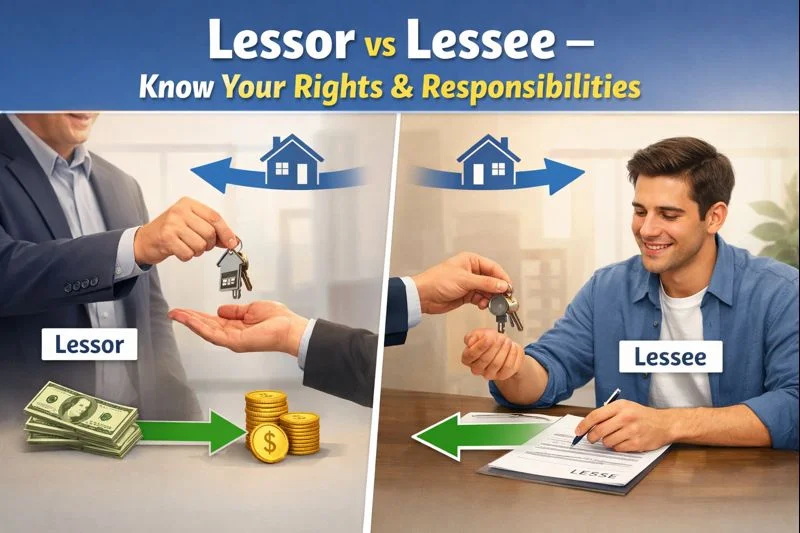
Diagram Idea: Imagine arrows showing money flow from lessee to lessor and property flow from lessor to lessee. This simple visual clarifies the relationship instantly.
Legal Obligations of Lessors and Lessees
Lessor Responsibilities
Lessors have significant legal duties beyond simply collecting payments. These obligations ensure the property is safe and usable:
- Maintenance and repairs: For rental property, this could include plumbing, electrical, and structural upkeep.
- Property suitability: Must ensure it meets legal standards for habitation or use.
- Disclosure requirements: Inform lessees about any issues, hazards, or restrictions.
Lessee Responsibilities
Lessees are legally bound to:
- Pay rent on time: Late payments can incur fines or lead to eviction.
- Follow lease terms: Includes rules about subleasing, renovations, or usage restrictions.
- Report damages: Immediate notification prevents worsening conditions and legal disputes.
Consequences of Breach
Breaking lease terms can have serious repercussions:
- For lessors: Failing to maintain property can lead to fines or lawsuits.
- For lessees: Non-payment or misuse can result in eviction or legal claims.
A proactive approach reading the lease carefully and maintaining communication—can prevent most conflicts.
Real-World Examples
Residential Leasing:
- John rents an apartment from Sarah. Sarah, as the lessor, ensures the plumbing works and the apartment is safe. John, the lessee, pays rent monthly and avoids damaging the property.
Commercial Leasing:
- A construction company leases heavy machinery from a supplier. The supplier maintains the equipment, while the company ensures proper use and timely payment.
Vehicle Leasing:
- Jane leases a car from an auto dealership. The dealership handles major maintenance during the lease, while Jane follows mileage limits and keeps the car in good condition.
These examples highlight the clear division of roles and responsibilities.
Common Confusions About Lessor vs Lessee
Many people misinterpret lease agreements, leading to disputes. Here are some frequent questions:
- Who owns the property during a lease?
The lessor retains ownership; the lessee has usage rights. - Can a lessee modify leased property?
Only if the lease allows. Unauthorized changes can lead to penalties. - Who pays for damages?
Lessees cover damages caused by misuse. Lessors handle natural wear and tear. - What about subleasing?
Lessees must usually get written approval from the lessor. Unauthorized subleases can breach the contract.
Tips for Both Lessors and Lessees
For Lessors:
- Use clear, written contracts.
- Screen tenants or lessees carefully.
- Maintain property regularly.
- Consider insurance to cover potential damages.
For Lessees:
- Read the lease thoroughly before signing.
- Document the property’s condition.
- Communicate issues promptly.
- Know your rights under local laws.
These tips minimize disputes and create a smooth leasing experience.
For More Please also Read: Homey or Homie: What’s the Difference?
Summary of Lessor vs Lessee
Understanding the distinction between lessor and lessee is essential for anyone entering a lease agreement.
Quick Recap:
- Lessor: Owns the property, maintains it, collects payments.
- Lessee: Uses the property, pays for it, follows lease rules.
Clear communication and understanding of obligations prevent disputes, protect legal rights, and make leasing a positive experience for both parties.
Case Study: Lease Dispute Resolution
Scenario:
A tenant (lessee) rented an apartment and accidentally damaged the flooring. The landlord (lessor) demanded full replacement costs.
Resolution:
- Lease agreement reviewed: it covered normal wear and tear vs accidental damage.
- Damage assessment showed partial responsibility.
- Both parties agreed on a split repair cost.
Lesson: Always define maintenance, damage, and payment responsibilities in the lease to prevent disagreements.
FAQs – Lessor vs Lessee
1. What is the main difference between a lessor and a lessee?
The lessor is the party who owns the asset and grants the right to use it, while the lessee is the party who receives the right to use the asset in exchange for payment or rent.
2. Who is responsible for maintenance in a lease agreement?
Typically, the lessee handles day-to-day use and minor maintenance, while the lessor is responsible for major repairs or structural upkeep, though this can vary based on the contract terms.
3. Can the terms lessor and lessee apply outside real estate?
Yes. They are commonly used in equipment leasing, vehicle rentals, broadcasting contracts, and project management resources. Any situation involving temporary asset usage can involve a lessor and lessee.
4. Is there a difference between US and UK usage?
The terms lessor and lessee are standard in both US and UK legal and business writing. Differences may appear in spelling, formatting, or contract style guidelines, but the meaning remains consistent.
5. Why is understanding these terms important for business communication?
Correctly identifying the lessor vs lessee ensures clarity in contracts, meetings, and scheduling, prevents legal disputes, and promotes consistent professional communication in emails, formal writing, and project management tools.
Conclusion
Understanding the distinction between Lessor vs Lessee is more than just legal terminology; it’s a cornerstone of effective business communication and professional practice. From leasing office spaces to managing equipment or scheduling project resources, knowing who is responsible for what ensures smooth operations and reduces misunderstandings.
By mastering these terms and following proper English usage and style guides, you can confidently draft contracts, communicate in meetings, and manage tasks with precision. Clear knowledge of lessor and lessee responsibilities supports time management, fosters consistency in documentation, and strengthens overall project and business efficiency.

Johnson Alex is a language-focused writer and the voice behind WordsJourney. He creates practical, easy-to-understand content that helps readers improve their vocabulary and express ideas with clarity and confidence.