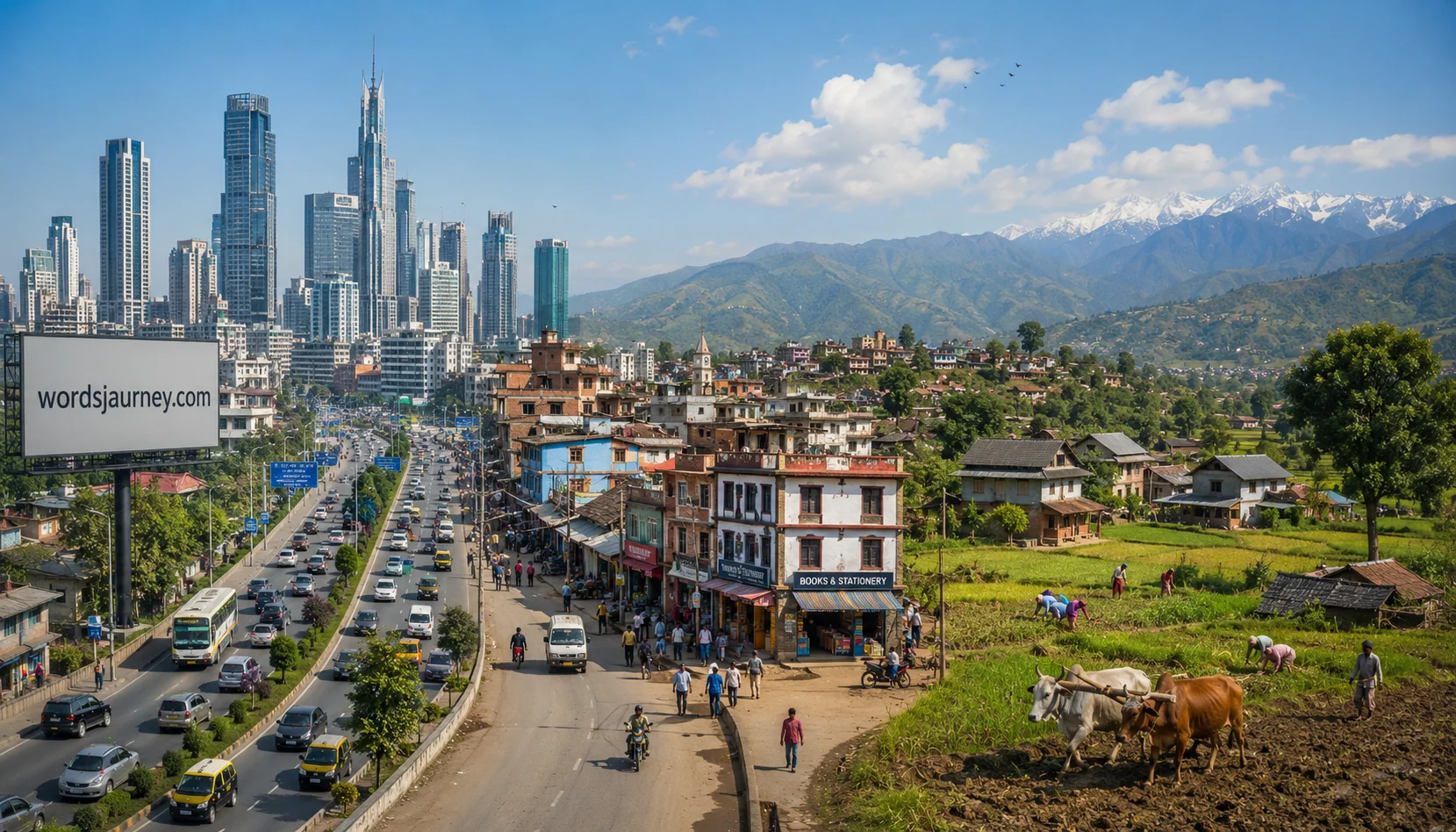
Ever wondered why everyday life feels so different depending on where you live? From fast-paced streets to quiet rural landscapes, location shapes everything. The topic City vs Town vs Village helps you understand how these places influence lifestyle, opportunities, and communication in modern society.
A city often represents speed, structure, and advanced systems, while a town balances comfort and accessibility, and a village reflects simplicity and tradition. In today’s digital world, these differences also impact scheduling, time management, business communication, online booking, broadcasting, meetings, calendar planning, and project management. Even English usage, grammar, formal writing, and consistency vary depending on environment and exposure.
This article breaks down the core differences between a city, town, and village in a clear, practical way. You will discover how each setting shapes communication style, lifestyle patterns, and modern productivity. By the end, you’ll have a deeper understanding of how place influences both daily living and professional interaction.
What Is a City?
A city is a large and highly developed human settlement. Cities usually serve as economic, political, cultural, or industrial centers for a region or country. They contain advanced infrastructure, dense populations, and complex administrative systems.
Unlike smaller settlements, cities operate like interconnected machines. Transportation, commerce, healthcare, housing, and communication all work together at massive scale.
Main Characteristics of a City
Large Population
Cities often contain hundreds of thousands or millions of residents. High population density creates demand for housing, roads, schools, hospitals, and public transport.
For example:
| City | Approximate Population |
| Tokyo | 37+ million |
| New York City | 8+ million |
| Karachi | 20+ million |
| London | 9+ million |
Large populations also create cultural diversity. People from different ethnicities, religions, and professions often live side by side.
Advanced Infrastructure
Cities usually have:
- Airports
- Rail systems
- Universities
- Multi-lane highways
- Skyscrapers
- Specialized hospitals
- Government offices
- Shopping districts
- Industrial zones
Infrastructure defines urban life. Without organized systems, a city would collapse under its own weight.
Diverse Economy
Cities support industries beyond agriculture. Common urban sectors include:
- Finance
- Technology
- Manufacturing
- Healthcare
- Education
- Tourism
- Real estate
- Entertainment
Because cities create jobs across many industries, they attract migrants from towns and villages.
Fast-Paced Lifestyle
Life in a city moves quickly. Public transport runs on schedules. Businesses operate late into the night. Traffic rarely stops completely.
For some people, city energy feels exciting. For others, it feels exhausting.
Advantages of Living in a City
Cities provide opportunities that smaller settlements often cannot match.
Better Healthcare
Large cities usually contain:
- Specialized hospitals
- Emergency trauma centers
- Advanced surgeries
- Medical universities
- Research institutions
A rural clinic may treat basic illness while a city hospital can perform complex heart surgery.
More Career Opportunities
Cities concentrate employers in one place. That increases job variety and career growth.
A software engineer, graphic designer, banker, lawyer, and filmmaker can all build careers in the same urban environment.
Better Education
Major universities and research centers are normally located in cities.
Students gain access to:
- Libraries
- Technical institutes
- International schools
- Professional training programs
Entertainment and Culture
Cities offer:
- Museums
- Theaters
- Sports stadiums
- Festivals
- Restaurants
- Art galleries
- Music events
Urban centers often shape national culture and media.
Challenges of City Life
Cities create opportunities yet they also generate pressure.
Traffic Congestion
As populations rise, roads become crowded. Commuting can consume hours every day.
High Cost of Living
Urban housing prices continue rising worldwide.
Common expensive city expenses include:
- Rent
- Transportation
- Utilities
- Parking
- Childcare
Pollution
Industrial activity and heavy traffic increase:
- Air pollution
- Noise pollution
- Waste production
Reduced Community Connection
In huge cities, neighbors may barely know each other. People often prioritize schedules over social bonding.
“Cities give people opportunity but they also demand speed, adaptation, and resilience.”
What Is a Town?
A town sits between a village and a city in terms of population, infrastructure, and economic activity. Towns usually function as regional commercial hubs that connect rural communities with larger urban centers.
Towns often balance modern convenience with a slower pace of life.
Main Characteristics of a Town
Medium-Sized Population
Towns typically have fewer residents than cities yet more than villages.
Population size varies by country. One nation may classify 20,000 residents as a town while another uses completely different criteria.
Local Business Centers
Most towns contain:
- Markets
- Schools
- Clinics
- Municipal offices
- Banks
- Restaurants
- Small shopping areas
Residents from nearby villages often travel to towns for trade and services.
Stronger Community Relationships
Unlike large cities, towns usually maintain closer social connections.
People often know:
- Local shop owners
- Teachers
- Neighbors
- Community leaders
This creates a more personal environment.
Moderate Infrastructure
Towns usually offer:
- Basic public transportation
- Paved roads
- Internet access
- Government services
- Local healthcare facilities
However, highly specialized services may still require travel to a city.
Advantages of Living in a Town
Lower Cost of Living
Housing and daily expenses usually cost less than in cities.
Less Stress
Towns generally experience:
- Less traffic
- Lower noise levels
- Reduced crowding
Many people prefer this balanced environment.
Better Work-Life Balance
Towns often provide enough convenience without extreme urban pressure.
Safer Environment
Crime rates in towns are frequently lower than major metropolitan areas.
Limitations of Town Life
Towns still face developmental limitations.
Fewer Career Options
Specialized industries may not exist locally.
Limited Entertainment
Large concerts, major sports venues, and international cultural events often remain concentrated in cities.
Smaller Healthcare Systems
Complex medical treatment may require travel to urban hospitals.
Read More: “Defence vs. Defense” Which Spelling Should You Use?
Real-World Examples of Towns
Different countries define towns differently.
Examples include:
| Town | Country | Known For |
| Stratford-upon-Avon | England | Shakespeare heritage |
| Banff | Canada | Tourism and mountains |
| Murree | Pakistan | Hill tourism |
| Sedona | United States | Scenic desert tourism |
Some towns eventually grow into cities through industrial development or population growth.
What Is a Village?
A village is a small rural settlement with a relatively low population. Villages traditionally depend on agriculture, fishing, forestry, or local craftsmanship.
Despite modernization, villages still play a critical role in food production and cultural preservation.
Main Characteristics of a Village
Small Population
Villages usually contain small communities where residents know each other personally.
Rural Environment
Villages often feature:
- Open land
- Farms
- Rivers
- Forests
- Mountains
- Agricultural fields
Nature remains closely connected to daily life.
Agriculture-Based Economy
Common village occupations include:
- Farming
- Livestock raising
- Fishing
- Handicrafts
- Local trade
Traditional Lifestyle
Village communities often preserve:
- Cultural traditions
- Local languages
- Festivals
- Family structures
- Folk customs
Advantages of Village Life
Peaceful Living
Villages offer quieter surroundings and cleaner air.
Strong Social Bonds
Community relationships remain deeply connected.
People often help each other during:
- Harvest seasons
- Weddings
- Emergencies
- Festivals
Lower Living Costs
Land and housing generally cost far less than urban property.
Natural Environment
Villages provide direct access to green spaces and agriculture.
Challenges of Village Life
Village life also presents serious difficulties.
Limited Healthcare
Advanced hospitals may be hours away.
Fewer Educational Opportunities
Many villages lack universities or specialized training institutions.
Limited Employment
Young people frequently migrate to towns or cities seeking jobs.
Infrastructure Gaps
Some villages still struggle with:
- Poor roads
- Weak internet
- Electricity shortages
- Limited public transport
City vs Town vs Village: Core Differences Explained
The difference between a city, town, and village goes beyond population alone.
Several factors determine classification.
Population Size
Population remains one of the biggest indicators.
| Settlement Type | Population Range |
| Village | Small |
| Town | Medium |
| City | Large |
However, there is no universal global standard.
Infrastructure
Infrastructure dramatically separates settlements.
| Feature | Village | Town | City |
| Roads | Basic | Moderate | Advanced |
| Hospitals | Small clinics | General hospitals | Specialized hospitals |
| Transport | Limited | Local transport | Extensive systems |
| Internet Access | Basic | Moderate | High-speed networks |
Economic Activities
Villages
Mainly agriculture and raw production.
Towns
Trade, services, and small industries dominate.
Cities
Large-scale finance, manufacturing, technology, and global business thrive.
Lifestyle Differences
Village Lifestyle
- Slow pace
- Strong community
- Nature-focused
Town Lifestyle
- Balanced pace
- Moderate convenience
- Close social interaction
City Lifestyle
- Fast-moving
- Competitive
- Highly connected
Governance and Administration
Cities often have stronger administrative authority.
Examples include:
- Municipal corporations
- Metropolitan authorities
- Urban planning departments
Villages may instead rely on local councils or community governance systems.
How Different Countries Define Cities, Towns, and Villages
Settlement definitions vary widely across the world.
That surprises many people.
United States
In the United States, classification depends heavily on:
- State laws
- Municipal incorporation
- Population density
Some towns are legally called cities despite modest populations.
United Kingdom
The United Kingdom uses historical traditions.
A place may receive official city status through royal recognition rather than population size alone.
That means some cities are physically smaller than many towns.
Europe
European countries often rely on historical governance structures.
Ancient towns may preserve medieval identity even after modern growth.
Can a Village Become a Town or a City?
Absolutely.
Human settlements constantly evolve.
How Settlements Grow
Several factors drive growth.
Trade Routes
Places near highways, ports, or railways attract business activity.
Industrialization
Factories create employment which attracts migration.
Education
Universities increase economic activity and population growth.
Technology
Internet access and digital industries now accelerate development even in smaller regions.
Real Growth Example
Many global cities began as small villages centuries ago.
Dubai
Dubai transformed from a modest trading settlement into a global metropolis through:
- Oil revenue
- Tourism
- Infrastructure investment
- International business
Shenzhen, China
Shenzhen evolved from a fishing village into one of the world’s largest technology hubs in only a few decades.
That transformation demonstrates how quickly urbanization can reshape geography.
Urbanization: Why Cities Keep Expanding
Urbanization refers to population movement from rural areas into towns and cities.
This global trend continues accelerating.
Why People Move to Cities
Common reasons include:
- Better jobs
- Higher education
- Healthcare access
- Improved infrastructure
- Business opportunities
Problems Caused by Rapid Urbanization
Fast urban growth also creates serious problems.
Housing Shortages
Traffic Congestion
Pollution
Water Stress
Informal Settlements
Governments worldwide struggle to balance growth with sustainability.
City vs Town vs Village Comparison Table
Here is a complete side-by-side comparison.
| Feature | Village | Town | City |
| Population | Low | Medium | High |
| Infrastructure | Basic | Moderate | Advanced |
| Economy | Agriculture | Trade & services | Industry & commerce |
| Lifestyle | Quiet | Balanced | Fast-paced |
| Transportation | Limited | Moderate | Extensive |
| Cost of Living | Low | Medium | High |
| Community Bond | Very strong | Strong | Less personal |
| Pollution Level | Low | Moderate | High |
| Career Opportunities | Limited | Moderate | Extensive |
| Entertainment Options | Few | Moderate | Wide variety |
Which Is Better to Live In?
There is no universal answer.
The “best” settlement depends on lifestyle priorities.
Best for Career Growth
Cities usually provide:
- Corporate jobs
- Startups
- International networking
- Higher salaries
Young professionals often prefer urban environments.
Best for Families
Towns frequently offer balance.
Parents may appreciate:
- Safer neighborhoods
- Lower costs
- Less pollution
- Better community interaction
Best for Retirement
Villages and smaller towns often appeal to retirees seeking peace and affordability.
Best for Nature Lovers
Villages provide stronger connection with natural surroundings.
Common Misconceptions About Cities, Towns, and Villages
Many myths distort how people view settlements.
Bigger Does Not Always Mean Better
Large cities offer opportunity yet they also create stress.
A peaceful town may provide higher life satisfaction for some individuals.
Villages Are Not Always Poor
Modern villages can include:
- High-speed internet
- Tourism economies
- Renewable energy systems
- Modern schools
Some rural regions now outperform overcrowded urban zones in quality of life.
Towns Can Be Economically Powerful
Tourist towns and industrial towns sometimes generate massive economic activity despite smaller populations.
Cities Are Not Universally Defined
A settlement classified as a city in one country may be considered a town elsewhere.
Definitions remain flexible and culturally influenced.
Case Study: The Evolution of Human Settlements
Human settlements evolved over thousands of years.
Here is the general pattern:
| Historical Stage | Main Characteristics |
| Village Era | Agriculture and farming communities |
| Town Era | Trade centers and markets |
| City Era | Industrialization and governance hubs |
| Modern Metropolis | Global business and technology centers |
This progression shaped modern civilization itself.
Fascinating Facts About Cities, Towns, and Villages
- More than half the world’s population now lives in urban areas.
- Tokyo remains one of the largest metropolitan regions on Earth.
- Some villages in Europe are over 1,000 years old.
- The smallest cities in some countries have fewer residents than large towns elsewhere.
- Urbanization is expected to continue rising throughout the 21st century.
FAQs About City vs Town vs Village
What is the main difference between a city, town, and village?
The main difference lies in population size, infrastructure, and available services. A city is highly developed and densely populated, a town is moderately developed with balanced facilities, and a village is smaller with a more rural lifestyle.
Which is better for a peaceful lifestyle: city, town, or village?
A village is often considered the most peaceful because of its quiet environment and close-knit community. However, many people prefer a town because it offers balance between comfort and convenience.
Why do cities have better job opportunities?
Cities usually contain more businesses, industries, and corporate offices. This creates stronger opportunities for business communication, meetings, project management, and professional growth.
How does time management differ in cities and villages?
People in cities often follow strict scheduling and fast-paced routines. Village life is generally slower and more flexible, while towns usually fall somewhere in between.
Are towns cheaper to live in than cities?
Yes, in most cases, towns have lower living costs than cities. Housing, transportation, and daily expenses are usually more affordable.
Why are villages important despite urban development?
Villages support agriculture, cultural traditions, and local communities. They also preserve historical values and provide natural living environments.
How does technology differ in a city, town, and village?
Cities typically have advanced digital systems, better internet access, and stronger support for online booking, broadcasting, and remote work. Towns are developing rapidly, while villages may have limited technology access.
Which place is best for education and healthcare?
Cities usually provide the best educational institutions and healthcare facilities. Towns offer moderate access, while villages may depend on nearby urban areas for specialized services.
How does communication style change by location?
People in cities often use more professional and formal communication because of workplaces and business culture. Villages may use simpler language and informal interaction, while towns combine both styles.
Why is understanding City vs Town vs Village important?
Understanding these differences improves English usage, formal writing, and geographic awareness. It also helps students, travelers, and professionals communicate with greater clarity and consistency.
Conclusion
Understanding City vs Town vs Village goes far beyond learning simple definitions. Each place represents a unique way of life, shaped by population, development, communication, and daily routines. Cities offer speed, innovation, and professional opportunities, while towns provide balance and accessibility. Villages, on the other hand, preserve tradition, community values, and peaceful living. These differences also influence modern habits such as time management, scheduling, business communication, meetings, calendar organization, and project management. Whether you are improving your English usage, enhancing formal writing, or simply exploring geographical terms, knowing how cities, towns, and villages differ creates stronger understanding and clearer communication.

Johnson Alex is a language-focused writer and the voice behind WordsJourney. He creates practical, easy-to-understand content that helps readers improve their vocabulary and express ideas with clarity and confidence.