When comparing Bespeckled vs Bespectacled, strong grammar and usage skills help you choose the right term with clarity. I always check parts of speech and label each term as an adjective or part of a compound description modifying a noun to ensure the meaning fits.
In real editing, I run quick tests on modifier placement and subject–verb agreement, making short edits that help replace confusing phrasing with the correct choice without changing tone or rhythm.
This simple process improves clarity, style, and consistency in writing. Over time, with practice and careful analysis, I’ve learned that strong grammar, solid vocabulary, and attention to semantics, structure, and usage make a big difference.
Whether you’re working on sentence construction, proofreading, or deeper interpretation, this approach supports better communication, sharper understanding, and more confident application of each term in real language use.
Bespeckled vs Bespectacled: Quick Meaning Guide
Before we dive deeper, here’s the fast answer you probably came for:
- Bespectacled → Wearing glasses 👓
- Bespeckled → Covered with small spots or specks ✨
That’s it. The difference is small in spelling but huge in meaning.
Now let’s explore both words properly so you never confuse them again.
What Does Bespectacled Mean?
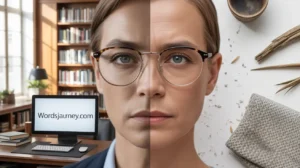
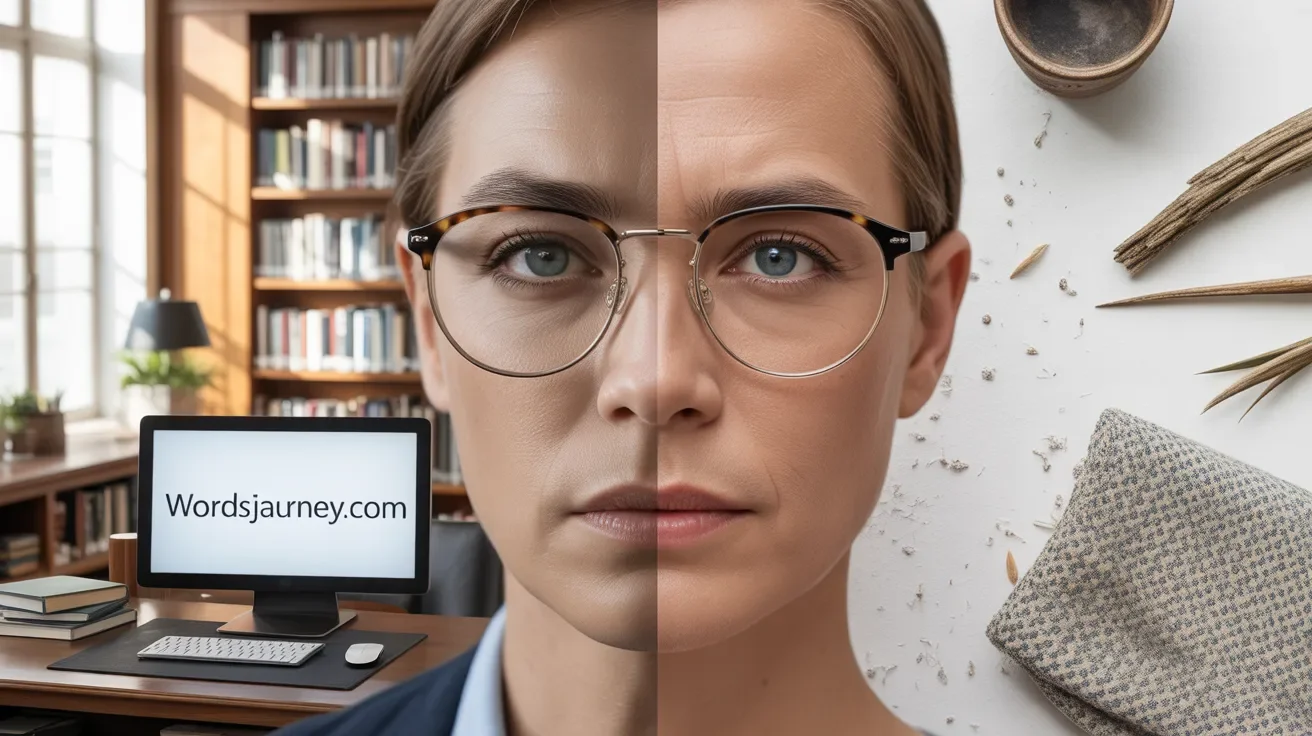
The word bespectacled describes someone who wears glasses. It often shows up in books, journalism, and character descriptions.
Origin of the Word
“Bespectacled” comes from:
- Spectacles = old-fashioned word for glasses
- Be- = a prefix meaning “covered with” or “having”
So literally, it means “having spectacles on.”
How It’s Used in Real Writing
Writers use “bespectacled” to paint a visual picture of a person.
It doesn’t just say someone has glasses. It adds tone, style, and character.
Example Sentences
- The bespectacled teacher adjusted his notes before speaking.
- A bespectacled woman walked into the library carrying a stack of books.
- The detective, bespectacled and calm, studied the evidence closely.
Tone and Style
- Slightly formal
- Common in storytelling
- Often used in journalism or novels
It helps readers see the person instantly. Almost like a snapshot.
What Does Bespeckled Mean?
Now let’s switch gears.
Bespeckled describes something covered with small spots, marks, or specks.
Think of freckles, paint dots, dust, or patterns.
Word Origin
It comes from:
- Speck = a tiny spot or particle
- Be- = meaning “covered with”
So it literally means “covered in specks.”
Where You’ll See It
This word shows up in:
- Nature descriptions
- Design writing
- Artistic or visual storytelling
Example Sentences
- The bird had bespeckled wings that shimmered in the sunlight.
- A bespeckled countertop gave the kitchen a textured look.
- Her face was bespeckled with freckles after a day in the sun.
Tone and Style
- Visual and descriptive
- Less common in everyday speech
- More common in creative writing
It helps you describe texture and pattern in detail.
Bespeckled vs Bespectacled: Side-by-Side Comparison
Let’s make this crystal clear.
| Feature | Bespectacled 👓 | Bespeckled ✨ |
| Meaning | Wearing glasses | Covered in spots or specks |
| Root word | Spectacles (glasses) | Speck (tiny dot) |
| Describes | People | Objects, animals, surfaces |
| Writing tone | Formal, narrative | Visual, descriptive |
| Common usage | Moderate | Less common |
| Context | Characters, journalism | Nature, design, textures |
One is about vision tools. The other is about visual texture. That’s the simplest way to lock it in.
Why People Confuse Bespeckled and Bespectacled
Here’s the truth. The confusion makes sense.
Both words:
- Start with “be-”
- End with “-ed”
- Sound slightly old-fashioned
- Appear in written English, not daily speech
Your brain sees similarity and assumes similarity in meaning. But linguistically, they’re unrelated.
A quick analogy helps:
Think of them like identical-looking doors.
One opens into a library (bespectacled).
The other opens into an art studio full of paint dots (bespeckled).
Same shape. Different worlds.
Read More: Reorder or Re-order? Usage and Hyphen Rule
Memory Tricks to Never Mix Them Again
Let’s make this stick permanently.
Simple Association Method
- Bespectacled → Spectacles → Glasses → Eyes
- Bespeckled → Specks → Spots → Dots
Visual Shortcut
- 👓 = bespectacled (glasses = face feature)
- ••• = bespeckled (dots = surface pattern)
Word Breakdown Trick
- Spectacled → “spectacles” → see people
- Speckled → “specks” → spots everywhere
If you remember just this, you’ll never confuse them again.
Common Mistakes in Using Bespeckled vs Bespectacled
Even experienced writers slip up. Here’s what usually goes wrong:
Mistake 1: Swapping the words
- ❌ The bespeckled professor gave a lecture
- ✔ The bespectacled professor gave a lecture
Mistake 2: Using “bespectacled” for objects
- ❌ A bespectacled wall with paint dots
- ✔ A bespeckled wall with paint dots
Mistake 3: Overusing them in casual writing
These words are descriptive. They don’t belong in everyday chat like texting or informal posts.
When Should You Use Bespectacled vs Bespeckled
Let’s make it practical.
Use “Bespectacled” when:
- Describing a person wearing glasses
- Writing fiction or journalism
- Creating character sketches
Use “Bespeckled” when:
- Describing patterns or textures
- Talking about nature or animals
- Adding visual detail in storytelling
Read more: Any Problem or Any Problems: Which One Is Correct?
Synonyms That Help You Sound Natural
If these words feel too formal, you have options.
For Bespectacled
- Wearing glasses
- Glasses-wearing
- Spectacle-wearing
- Four-eyed (informal and playful)
For Bespeckled
- Spotted
- Speckled
- Dotted
- Freckled (for skin specifically)
These alternatives can make your writing more flexible.
Real-World Usage in Writing and Literature
Writers love both words, but they use them carefully.
Bespectacled in Literature
Authors often use it to quickly define a character:
- A bespectacled librarian
- A bespectacled scientist deep in thought
- A bespectacled child reading under a lamp
It helps build imagery without long explanations.
Bespeckled in Creative Writing
This word appears in descriptive scenes:
- Bespeckled feathers in wildlife descriptions
- Bespeckled stone walls in architecture writing
- Bespeckled skies filled with stars or dust
It’s all about texture and atmosphere.
Mini Case Study: Why Word Choice Matters
Let’s imagine two writers describing the same scene.
Writer A:
The man wore glasses.
Writer B:
The bespectacled man leaned over the map, studying every detail.
Writer B creates:
- Stronger imagery
- Character depth
- A more engaging tone
Now switch to objects:
Writer A:
The table had spots on it.
Writer B:
The bespeckled table added a rustic charm to the kitchen.
Again, Writer B wins in detail and mood.
This is why choosing the right word matters.
Why People Search “Bespeckled vs Bespectacled”
Search intent usually falls into:
- Grammar clarification
- Writing improvement
- Vocabulary learning
FAQs
What is the main difference between bespeckled and bespectacled?
Bespeckled describes something covered with small specks, spots, or dots, while bespectacled refers to someone wearing glasses or eyeglasses.
Can bespeckled be used for people?
Yes, but only in a specific context. It may describe a person’s appearance if their face or clothing has speckles, not if they wear spectacles.
Is bespectacled only an adjective?
Yes, bespectacled is used as an adjective and does not have a verbal form in standard English.
How can I avoid confusion between the two words?
Always check the meaning, context, and usage. If it relates to patterns or surfaces, use bespeckled. If it relates to people and glasses, use bespectacled.
Why is grammar important in choosing the correct word?
Good grammar, proper modifier placement, and correct subject–verb agreement ensure your sentence is clear and accurate.
Conclusion
Understanding bespeckled and bespectacled becomes easy when you focus on meaning, usage, and context. With consistent practice, careful editing, and attention to grammar, you can confidently choose the right word every time.

Johnson Alex is a language-focused writer and the voice behind WordsJourney. He creates practical, easy-to-understand content that helps readers improve their vocabulary and express ideas with clarity and confidence.