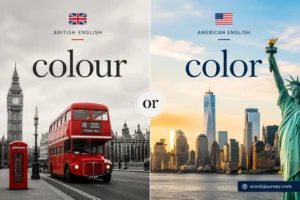
In the world of English, the words Honor or Honour may look simple, yet they carry a hidden layer of meaning that can make a big difference in how the language changes across regions. At first sight, it feels small, but you can clearly tell the difference when you look at education, plain usage, and real-life instances where they appear.
This spelling code comes from where someone is educated and influenced by tradition, and it often depends on British or other using systems. The word itself is defined as honor or honour, representing great recognition, esteem, and respect that is given to their achievements, qualities, and noble character.
It is a simple yet high distinction that brings together principle, integrity, and credit in both formal and cultural education contexts.
This language code is not just a trick of spellings, but a secret part of how words evolve from one place to another. It is mostly used in British writing, while Honor appears more in modern global usage, showing how different examples exist yet still mean the same thing.
Many learners find it confusing at first, but with a simple guide, the meaning becomes clear: it is about respect, integrity, and esteem that guides behavior and character. The language changes break into two spellings, but both remain right, both carry value, and both reflect something noble. In real world usage, it often takes a lot of practice to tell them apart, but once understood, it feels almost natural in plain reading and writing.
Many things in English follow this same pattern, where small shifts create big meaning distinctions that are together shaped by culture and education.
Honor or Honour: The Quick Answer
| Version | English Style | Example |
| Honor | American English | Honor your commitments |
| Honour | British English | Honour your commitments |
Neither spelling is wrong. The correct version depends on your audience, location, and writing style guide.
For example:
- If you write for a US audience, use honor
- If you write for the UK, Canada, Australia, or New Zealand, use honour
That single missing “u” marks one of the biggest spelling differences between American and British English.
What Does Honor or Honour Mean?
The word refers to:
- Respect
- Integrity
- Moral character
- Recognition
- High regard
- Privilege or distinction
It can function as both a noun and a verb.
Honor or Honour as a Noun
Examples:
- It was an honor to meet her.
- The soldier received great honour after the battle.
In this form, the word means respect, prestige, or dignity.
Honor or Honour as a Verb
Examples:
- We honor our veterans every year.
- They honoured the agreement.
As a verb, it means to respect, celebrate, fulfill, or recognize something.
Why Do Americans Spell It “Honor” Instead of “Honour”?
The difference traces back to language reform in the United States during the early 1800s.
American lexicographer Noah Webster pushed for simplified spellings in American English. He believed English spelling should reflect pronunciation more clearly.
That’s why many British spellings lost the letter “u” in American English.
Examples of Similar Word Differences
| American English | British English |
| Honor | Honour |
| Color | Colour |
| Favor | Favour |
| Labor | Labour |
| Neighbor | Neighbour |
Webster’s reforms became widely accepted in the United States and eventually shaped modern American spelling standards. Meanwhile, Britain kept the older French-influenced spellings.
The Origin of the Word “Honour”
The word comes from the Latin word honor, meaning dignity or esteem.
Later, Old French introduced the spelling honour, which influenced British English heavily after the Norman Conquest.
Ironically, the original Latin spelling looked closer to the modern American version.
Language history can be strange sometimes.
Honor vs Honour: Major Differences Explained
Even though the meanings are identical, the spellings appear in different regions and publishing standards.
Regional Usage
| Country | Preferred Spelling |
| United States | Honor |
| United Kingdom | Honour |
| Canada | Honour |
| Australia | Honour |
| New Zealand | Honour |
| Ireland | Honour |
Canada occasionally mixes both spellings because of American influence online, though honour remains more common in formal writing.
Is Honor or Honour More Popular Online?
Globally, honour appears widely because many English-speaking countries use British spelling.
However, honor dominates American websites, media, universities, and businesses.
Search engine trends often vary by region.
Search Intent Matters
If your audience is American:
- Use honor
- Use American spellings consistently
If your audience is international or British:
- Use honour
- Stay consistent throughout
Switching between both versions inside one article looks sloppy and confuses readers.
Honor vs Honour in Grammar and Writing
The grammar stays exactly the same regardless of spelling.
Singular Examples
- It is an honor to serve.
- It is an honour to serve.
Plural Examples
- Military honors
- Academic honours
Verb Forms
| American | British |
| Honored | Honoured |
| Honoring | Honouring |
| Honors | Honours |
Common Phrases Using Honor or Honour
Popular American Phrases
- Honor roll
- Medal of Honor
- Honor code
- Honor society
- Maid of honor
Popular British Phrases
- Honour system
- Guest of honour
- Honour guard
- Honours degree
Read More: “Analog” vs “Analogue” Meaning, Spelling and Difference
What Is an Honors Degree or Honours Degree?
Universities often use this phrase differently depending on the country.
In American English
Students usually earn an honors degree or graduate “with honors.”
Examples:
- Cum laude
- Magna cum laude
- Summa cum laude
In British English
| Classification | Meaning |
| First-Class Honours | Highest achievement |
| Upper Second-Class Honours (2:1) | Strong performance |
| Lower Second-Class Honours (2:2) | Good performance |
| Third-Class Honours | Passing level |
Honor or Honour in Professional Writing
Professional writers, bloggers, journalists, and marketers should match spelling with audience expectations.
Use “Honor” If You Write For:
- American readers
- US-based companies
- American universities
- US SEO campaigns
Use “Honour” If You Write For:
- UK audiences
- Australian publications
- Canadian organizations
- British academic institutions
Even global brands localize spelling for different markets.
Honor or Honour in Famous Titles and Institutions
Some names keep traditional spellings permanently.
Examples Using “Honor”
- Medal of Honor
- For Honor
- Honor Society
Examples Using “Honour”
- Honour Guard
- Order of Honour
- Guest of Honour
Official names should never be altered.
Common Mistakes People Make
Writers often mix styles accidentally.
Bad Example
The organisation received great honor for its labour programme.
This mixes American and British spelling.
Better Versions
American English
- The organization received great honor for its labor program.
British English
- The organisation received great honour for its labour programme.
Is One Spelling More Formal?
No.
Neither version is more intelligent or correct. The difference is regional, not grammatical.
How Schools Teach Honor vs Honour
- American schools teach simplified spellings
- British and Commonwealth schools teach traditional forms
That’s why most writers stick to what they learned first.
Honor or Honour in Literature
American authors use:
- honor
- color
- favor
British authors use:
- honour
- colour
- favour
Example:
- Mark Twain used American spellings
- Charles Dickens used British spellings
Cultural Meaning of Honor
The word carries deep emotional meaning:
- honesty
- reputation
- courage
- loyalty
- respect
In military traditions, honor represents duty and sacrifice. In storytelling, it often symbolizes moral conflict and integrity.
Honor or Honour in Digital Communication
Online communication often mixes spelling styles due to:
- autocorrect
- global audiences
- platform settings
Still, professional writing should remain consistent.
Words Related to Honor or Honour
| American | British |
| Honorable | Honourable |
| Honored | Honoured |
| Honoring | Honouring |
| Dishonor | Dishonour |
Should You Use Honor or Honour in Academic Writing?
Follow your institution’s style guide:
| Style Guide | Spelling |
| APA | American |
| MLA | American |
| Chicago | American |
| Oxford | British |
| Cambridge | British |
Honor or Honour in Legal and Official Usage
- US courts use honor
- UK courts use honour
Official names always preserve original spelling.
Quick Memory Trick
Color → Honor
Colour → Honour
This pairing helps you stay consistent across writing.
Honor vs Honour: Which Should You Use?
Use “Honor” When:
- Writing for Americans
- Following US style guides
- Targeting US SEO
Use “Honour” When:
- Writing for UK readers
- Using British English
- Targeting Commonwealth audiences
FAQs about Honor or Honour
1. What is the meaning of Honor or Honour?
It means respect, esteem, or recognition given to someone for their achievements or noble character.
2. Is Honor the same as Honour?
Yes, both words have the same meaning. The only difference is spelling.
3. Why are there two spellings?
The difference comes from English language variations, mainly American English and British English.
4. Which spelling is correct?
Both are correct. “Honor” is used in American English, while “Honour” is used in British English.
5. Where is “Honour” commonly used?
It is mostly used in British English, including countries influenced by it.
6. Where is “Honor” commonly used?
It is mainly used in American English writing and communication.
7. Does the meaning change with spelling?
No, the meaning remains the same in both spellings.
8. Can I use both spellings in one document?
It is not recommended. You should stay consistent with one English style.
9. What does honor represent in English culture?
It represents respect, integrity, and high moral values.
10. Is honor used in formal writing?
Yes, it is widely used in formal education, literature, and professional writing.
Conclusion
The difference between Honor and Honour is not about meaning but about language style and region. Both words represent the same powerful idea of respect, esteem, and noble character, deeply rooted in English language tradition. Whether you choose American “Honor” or British “Honour,” the message stays the same. What truly matters is using the correct form consistently based on your audience and maintaining clarity in your writing.

Aliya Ray is a passionate writer and language enthusiast at WordsJourney. She enjoys exploring words, phrases, and everyday expressions to help readers communicate more clearly and confidently. Her content focuses on alternative ways to say common phrases, simple explanations, and real-life examples that make language easy to understand.
Aliya believes the right words can make any message stronger. Through clear, friendly writing, she helps readers improve their vocabulary without feeling overwhelmed or confused.