Ever wondered why you see “Specter vs Spectre” written differently in books, movies, and online articles? This small spelling difference often confuses writers, students, and even native speakers.
At its core, the debate around “Specter vs Spectre” goes beyond spelling and touches language variation, meaning, and usage in English. Understanding it helps you write with more confidence and accuracy in different contexts.
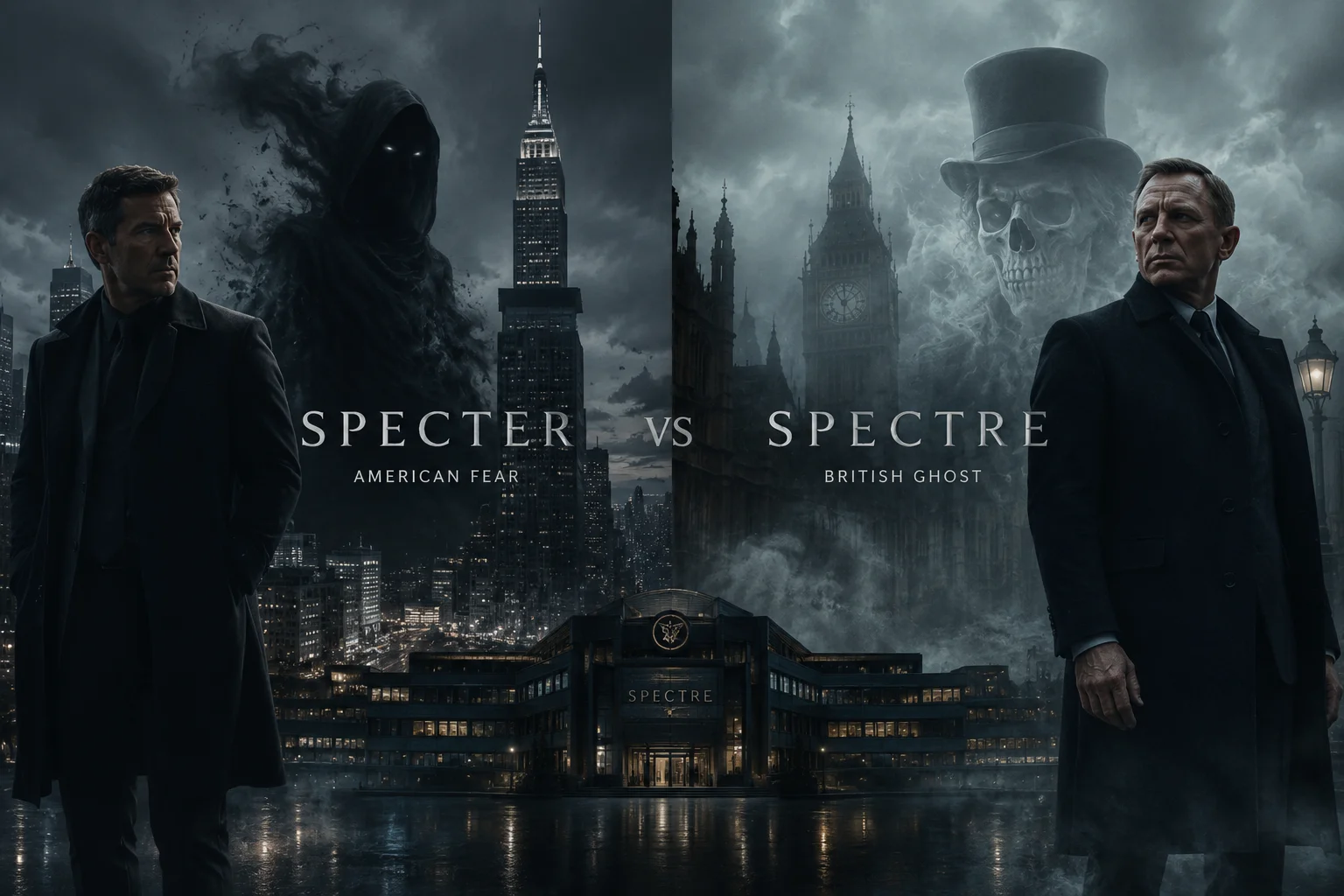
The terms “specter” and “spectre” both refer to a ghost, apparition, or haunting presence, but their usage depends largely on regional English standards. American English prefers “specter,” while British English uses “spectre,” reflecting historical spelling evolution and linguistic preference. These variations often appear in literature, dictionaries, grammar guides, and modern writing style rules, making it important for writers and editors.
In this article, you’ll learn the meaning, origin, and usage differences between both spellings in detail. We’ll also explore real examples, grammar rules, and writing guidelines to help you choose the correct form for your audience.
Specter vs Spectre: Why This Confusion Happens So Often
The confusion between specter and spectre comes down to one simple issue: English spelling variation.
English has two major writing standards:
- American English → prefers “specter”
- British English → prefers “spectre”
Both words mean the same thing. The spelling just changes based on region and style rules.
However, there’s another twist. “Spectre” is also used as a proper noun in fiction, especially in the James Bond universe. That adds even more confusion.
So you’re not just dealing with spelling differences. You’re dealing with language + culture + fiction overlap.
What Does Specter Mean in American English
In American English, specter usually refers to something unsettling or ghost-like. It doesn’t always mean a literal ghost. Often, it describes fear, uncertainty, or something that “hangs over” a situation.
Core Meaning of Specter
- A ghost or spirit in traditional usage
- A looming fear or threat in modern usage
- A symbolic presence that causes anxiety
Everyday Examples
- The specter of unemployment
- The specter of inflation
- The specter of war
In these cases, the word doesn’t mean an actual ghost. Instead, it describes a mental or emotional weight.
Simple Way to Understand Specter
Think of it like a shadow you can’t shake off.
It’s not always visible. But it affects how people think and act.
For example:
“The specter of failure followed him before the exam.”
Here, “specter” means fear, not a physical spirit.
What Does Spectre Mean in British English
The British spelling spectre carries the same meaning as specter. It follows UK English conventions.
Core Meaning of Spectre
- Ghost or apparition
- A threatening idea or fear
- A symbolic presence of danger or concern
Examples in British English
- The spectre of recession
- The spectre of political instability
- The spectre of rising costs
In UK journalism and literature, “spectre” appears frequently in formal writing.
Key Insight
There is no meaning difference between specter and spectre in everyday language.
The difference is spelling tradition only.
Spectre as a Proper Noun: The James Bond Connection
Now things get more interesting.
In pop culture, SPECTRE is not just a word. It is a fictional organization in the James Bond universe.
Spectre (film)
What is SPECTRE?
SPECTRE stands for:
- Special Executive for Counter-intelligence, Terrorism, Revenge, and Extortion
It is a criminal organization that appears in multiple James Bond stories.
Why This Matters
When you see SPECTRE in all caps, it usually means:
- A fictional group
- Not a ghost or metaphor
- A named organization in entertainment
Quick Comparison
| Term | Meaning | Context |
| specter | US spelling of ghost or fear | General language |
| spectre | UK spelling of same meaning | British writing |
| SPECTRE | Fictional organization | James Bond universe |
Specter vs Spectre: Key Differences Explained Clearly
Even though the meaning overlaps, usage differs slightly depending on audience and context.
Spelling Difference
- Specter → United States English
- Spectre → United Kingdom English
This is the most important difference.
Context Difference
| Context Type | Preferred Form |
| US newspapers | Specter |
| UK newspapers | Spectre |
| Academic US writing | Specter |
| Literary UK writing | Spectre |
| Film franchise | SPECTRE |
Meaning Consistency
Both words describe:
- Ghosts
- Fearful possibilities
- Looming threats
No semantic difference exists in modern usage.
How Specter Is Used in Modern Language
The word specter has evolved beyond ghosts. Today, it often appears in political, economic, and emotional writing.
1. Political Context
- The specter of authoritarianism
- The specter of conflict
Writers use it to highlight instability or concern.
2. Economic Context
- The specter of inflation
- The specter of recession
These phrases show uncertainty in financial systems.
3. Emotional or Psychological Context
- The specter of doubt
- The specter of regret
Here, it reflects internal struggle rather than external threat.
Simple Breakdown
Think of “specter” as:
A problem that hasn’t fully arrived yet but already feels real.
Read More: “Calvary” vs “Cavalry” Meaning, Examples and the Ultimate Guide
How Spectre Appears in Culture and Literature
The British spelling spectre is common in literature, especially gothic and horror writing.
Literary Usage
Authors often use “spectre” to:
- Build suspense
- Create emotional tension
- Suggest unseen danger
Example:
“A spectre lingered in the empty hallway.”
Film and Pop Culture
The word gained global recognition through James Bond films.
James Bond
In these films, SPECTRE represents a powerful criminal network.
This usage changed how many people recognize the word today.
Common Mistakes People Make With Specter and Spectre
Even native speakers mix these up. Here are the most common errors.
1. Mixing US and UK spelling in one document
Wrong:
- The spectre of inflation affects American markets
Correct:
- The specter of inflation affects American markets
2. Confusing capitalized SPECTRE with general meaning
Wrong assumption:
- Thinking SPECTRE always means ghost
Correct understanding:
- SPECTRE = fictional organization
3. Overthinking meaning differences
Many people assume they carry different meanings.
They don’t.
When to Use Specter vs Spectre Correctly
Choosing the right form is actually simple.
Use Specter when:
- Writing for American audiences
- Following AP style guidelines
- Writing US-based content
Use Spectre when:
- Writing for British audiences
- Following UK English rules
- Publishing in UK media outlets
Use SPECTRE when:
- Referring to James Bond franchise
- Writing about fictional organizations
Memory Tricks to Remember the Difference
Here are simple tricks that actually stick:
1. “E = England” Trick
- Spectre → British English
2. “No E = US” Trick
- Specter → American English
3. ALL CAPS Rule
- SPECTRE → always fictional organization
Real-World Case Study: Media Usage Differences
Let’s look at how newspapers treat the word.
US Media Example
American publications prefer:
- specter of recession
- specter of war
UK Media Example
British publications prefer:
- spectre of recession
- spectre of war
Observation
The meaning stays identical. Only spelling shifts.
Quick Reference Table
| Feature | Specter | Spectre | SPECTRE |
| Region | US English | UK English | Global fiction |
| Meaning | Ghost or fear | Same as specter | Criminal organization |
| Usage | News, writing | Literature, UK media | Films, novels |
| Tone | Neutral | Slightly formal | Fictional branding |
Expert Insight: Why This Word Still Matters Today
Words like specter/spectre survive in modern language because they carry emotional weight.
They are not just vocabulary items. They are mental imagery tools.
Writers use them because:
- They create atmosphere
- They express abstract fear quickly
- They feel dramatic without being complicated
That’s why you still see them in headlines, books, and films.
Frequently Asked Questions (FAQs)
1. What is the difference between Specter and Spectre?
Both words mean a ghost or apparition, but “specter” is used in American English, while “spectre” is preferred in British English.
2. Are Specter and Spectre pronounced the same?
Yes, both are generally pronounced the same way: SPEK-ter, despite different spellings.
3. Is Specter or Spectre more correct?
Neither is incorrect. The choice depends on whether you are using American or British English conventions.
4. Can I use Specter and Spectre interchangeably?
You can, but consistency matters. Stick to one spelling style within the same document for clarity and consistency.
5. Why do American and British English spell them differently?
The difference comes from historical spelling reforms. American English simplified many words, while British English retained older forms like “spectre.”
6. Where is the word Specter commonly used?
“Specter” is common in US publications, media, and academic writing, especially in modern American English content.
7. Does the spelling difference affect meaning?
No, both spellings carry the same meaning. The difference is purely regional and stylistic, not semantic.
Conclusion
Understanding the difference between Specter vs Spectre is essential for clear and effective writing. While both terms share the same meaning, their usage depends on regional English standards and audience expectations. Choosing the correct form helps maintain consistency, professionalism, and accuracy in your content.
Whether you write for American or British readers, the key is consistency throughout your text. By applying the correct spelling style and understanding its context, you can improve both readability and search performance, making your content more polished and user-friendly.

Aliya Ray is a passionate writer and language enthusiast at WordsJourney. She enjoys exploring words, phrases, and everyday expressions to help readers communicate more clearly and confidently. Her content focuses on alternative ways to say common phrases, simple explanations, and real-life examples that make language easy to understand.
Aliya believes the right words can make any message stronger. Through clear, friendly writing, she helps readers improve their vocabulary without feeling overwhelmed or confused.